Draupathi 2 Movie Review: A Historical Epic That Demands Patience
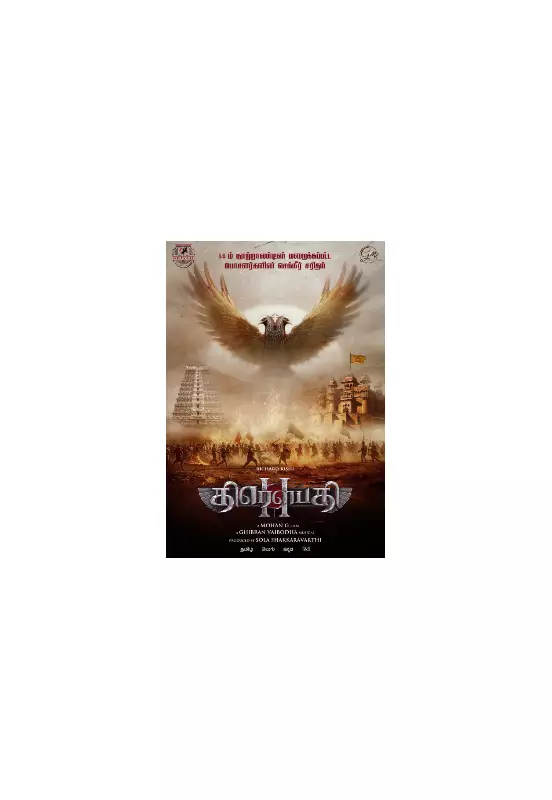
Draupathi 2, released on January 23, 2026, is a Tamil-language action and drama film that runs for 2 hours and 39 minutes. Directed by Mohan G, this sequel to the controversial 2020 film has received a critic's rating of 2.5 and an identical user rating of 2.5. The movie represents a passionate dive into regional history that many viewers may find unfamiliar, creating both its unique appeal and significant limitations.
Plot Synopsis: A Tale of War and Betrayal
The film's narrative begins with a contemporary land dispute involving a temple that triggers a supernatural flashback lasting approximately ten minutes. A woman visiting from abroad becomes possessed and begins narrating a 14th-century story that occupies the remaining 2.5 hours of runtime. The central plot follows warrior Veera Simha Kadavarayan (played by Richard Rishi) who serves under Hoysala emperor Veera Vallalar III (Natraj) while confronting dual threats from the Madurai Sultanate (Dinesh Lamba) and Delhi's Tughlaq forces (Chirag Jani).
Meanwhile, palace conspiracies threaten his marriage to Draupathi (Rakshana), whose mind becomes poisoned against him by a scheming courtier. The Sultanate rulers are portrayed as barbaric womanizers forcing religious conversions across the land, adding layers of political and personal conflict to the historical drama.

Structural Challenges and Theatrical Influences
Draupathi 2 combines the structural elements of a stage play with the extended runtime of an epic historical film, creating an exhausting cinematic experience. The storytelling operates in discrete blocks where conspiracies and battles appear as needed, often feeling untethered from previous narrative developments. While stage conventions allow for such shorthand storytelling, cinema typically demands more connective tissue between scenes, which this film frequently lacks.
The language presents another significant barrier for modern audiences. Nearly the entire film unfolds in classical Tamil, authentic to the 14th-century setting but demanding considerable patience from contemporary viewers who must track formal dialogue throughout the lengthy runtime.
Production Strengths and Technical Aspects
Despite narrative challenges, the film excels in several production areas. The production design deserves particular applause for creating sets that feel genuinely lived-in rather than recently constructed. Costumes carry impressive weight and detail, suggesting substantial historical research went into their creation.
Ghibran's musical score effectively elevates the material with inventive songs that offer a distinct auditory experience. However, the visual effects prove less successful, with seams showing in depictions of fire, corpses, and battle chaos that occasionally undermine the film's visual authenticity.
Performance Highlights
The cast delivers committed performances that anchor the historical drama. Richard Rishi fully embraces both the physical and emotional demands of his warrior role, while Rakshana brings compelling heat to Draupathi's transformation from devoted wife to furious accuser. Natraj carries himself with quiet authority as the Hoysala emperor, and Chirag Jani's portrayal of Tughlaq radiates appropriate menace without descending into caricature.
Final Assessment: A Niche Historical Endeavor
Draupathi 2 ultimately stands as a passion project about regional history that most viewers won't immediately recognize. This obscurity serves both as the film's purpose and its primary limitation. Committed audiences interested in Tamil historical narratives will find material worth engaging with, while others may admire the production effort from a respectful distance.
The film's theatrical DNA, combined with its classical language requirements and episodic storytelling, creates a viewing experience that demands specific audience preparation and patience. While the production values and performances demonstrate genuine commitment to historical authenticity, the structural challenges prevent the film from achieving broader appeal.
Written by Abhinav Subramanian for The Times of India on January 24, 2026, this review captures the complex balance between ambition and execution that defines Mohan G's historical sequel.