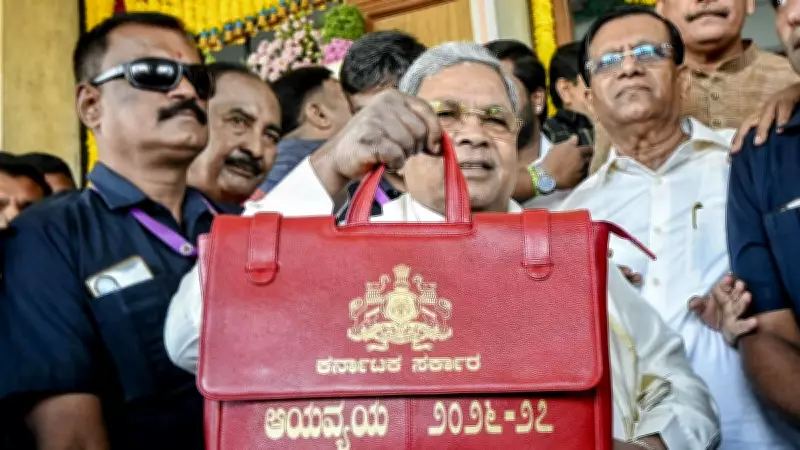
Karnataka Budget 2024-25 Faces Backlash for Ignoring Film Exhibition Sector
The recently announced Karnataka Budget for the fiscal year 2024-25 has sparked significant criticism from stakeholders within the state's film industry. Industry members and critics have voiced their disappointment, highlighting the budget's apparent lack of focus on the crucial film exhibition sector. This oversight comes at a time when cinemas and movie theaters are grappling with numerous challenges that threaten their sustainability and growth.
Key Concerns Raised by Industry Stakeholders
Prominent figures from the film community have pointed out several critical issues that the budget failed to address. One of the primary concerns is the high ticket prices in Karnataka, which are among the highest in India. This pricing structure has been a persistent barrier for many moviegoers, potentially reducing footfall and impacting the overall health of the exhibition business.
Additionally, there is a pressing need for infrastructure development and modernization of existing cinema halls. Many theaters, especially in smaller towns and rural areas, suffer from outdated facilities, poor maintenance, and inadequate amenities. The absence of budgetary allocations for such improvements has left industry players concerned about the sector's ability to compete with digital streaming platforms and provide a quality viewing experience.

Economic and Cultural Implications
The film exhibition sector is not only a significant contributor to Karnataka's economy but also plays a vital role in the state's cultural landscape. It supports thousands of jobs, from theater staff to local vendors, and serves as a primary platform for showcasing regional and national cinema. By neglecting this sector, critics argue that the budget misses an opportunity to boost economic activity and preserve cultural heritage.
Moreover, the lack of support could exacerbate existing disparities between urban and rural areas. While multiplexes in major cities like Bengaluru might continue to thrive, single-screen theaters in smaller towns may struggle to survive without government intervention. This could lead to a reduction in access to cinematic entertainment for many residents, further marginalizing these communities.
Industry Demands and Future Outlook
In response to the budget, film industry representatives have called for immediate action from the state government. Their demands include:
- Subsidies or tax relief to help reduce ticket prices and make cinema more affordable for the general public.
- Grants or low-interest loans for theater owners to upgrade infrastructure, including seating, sound systems, and digital projection equipment.
- Policy initiatives to promote local film production and exhibition, ensuring that Kannada cinema and other regional languages receive adequate support.
- Collaborative efforts with industry bodies to develop a long-term strategy for the sustainable growth of the film exhibition sector.
As the debate continues, stakeholders remain hopeful that the government will reconsider its stance and introduce measures in future budgets or through supplementary allocations. The success of Karnataka's film industry, which has produced acclaimed works and contributed significantly to Indian cinema, hinges on such support. Without it, the sector risks stagnation, potentially losing its competitive edge and cultural relevance in an increasingly digital world.