Pregnant Tribal Woman and Family Ostracized for 12 Years After Filing Rape Complaint in Chhattisgarh
A deeply disturbing case of alleged social punishment has emerged from Balrampur district in Chhattisgarh, where a village panchayat has imposed a 12-year social boycott on a seven-month pregnant tribal rape survivor and her extended family. This severe community sanction followed the woman's decision to file a formal police complaint against a man she accused of rape on the false promise of marriage.
From Relationship to Legal Complaint
The survivor, a woman in her twenties from a Balrampur village, had reportedly been in a relationship with a local youth for approximately one year. According to her complaint, the accused had repeatedly promised marriage during their relationship. When the woman became pregnant and pressed him to honor his commitment, he allegedly refused outright.
After informing her family about the situation, the woman approached local authorities and lodged a formal First Information Report (FIR) accusing the man of rape. Police acted promptly on the complaint, registering a case, arresting the accused, and sending him to judicial custody last week.
Community Retribution Instead of Support
Instead of receiving community support following the police action, the survivor's family faced immediate retaliation from their own village. The local panchayat convened a meeting shortly after the arrest and declared a comprehensive 12-year social boycott targeting not only the survivor's immediate family but also the family of her maternal cousin, who had supported them throughout the legal process.
The alleged panchayat order effectively expelled both families from all aspects of village social life. They were instructed to stay away from community functions, religious ceremonies, festivals, and other collective activities. Simultaneously, villagers were reportedly directed not to attend any events or programs organized by the two ostracized families.
Humiliating Conditions for Reintegration
What makes this episode particularly alarming are the degrading conditions allegedly imposed by the panchayat for the families' eventual return to the community. According to the survivor's family, the panchayat declared that for reintegration, they must first publicly admit their "mistake" in pursuing legal action.
The prescribed ritual for atonement reportedly includes washing the feet of every village resident, then bathing with that same water. Additionally, the families were allegedly instructed to serve the entire community goat meat, rice, and liquor as a form of collective penalty before being considered for social acceptance.
Conflicting Narratives and Official Response
The village sarpanch offered a contrasting perspective when questioned about the incident, claiming the accused had been falsely implicated in the rape case. This alleged false implication was cited as the primary justification for imposing the social boycott on the complainant's family.
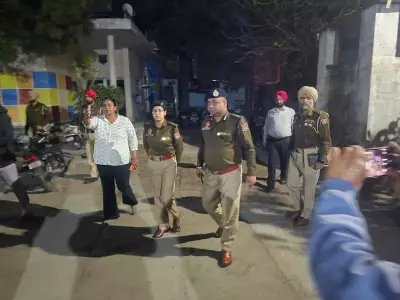
Facing this severe community sanction, the survivor's family has now approached senior district officials, formally complaining about the social ostracism and seeking both protection and administrative intervention. Officials confirmed that the complaint regarding the social boycott has reached the district administration's notice.
An administrative officer stated that all involved parties would be summoned for a formal hearing. The matter will be thoroughly examined, and appropriate legal action will be taken based on the findings of the investigation.
A Second Battle Beyond the Courtroom
While the accused remains in judicial custody facing legal proceedings, the survivor now confronts a second, equally daunting battle within her own community. The social boycott has created an environment of isolation and psychological distress for the pregnant woman and her supportive relatives.
This case highlights the complex intersection of legal rights, traditional community structures, and social justice in rural India, particularly concerning vulnerable populations like tribal women. It raises serious questions about community responses to sexual violence complaints and the protection mechanisms available to survivors who dare to seek legal recourse against powerful social norms.