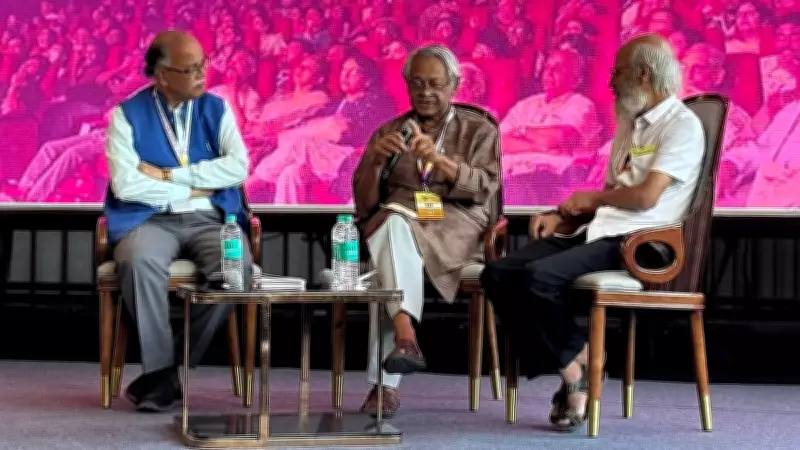
Renowned filmmaker Girish Kasaravalli recently delivered a profound session that traced a full century of cinematic grammar while paying heartfelt tribute to the late academician Satish Bahadur from the Film and Television Institute of India (FTII). The event, held in Bengaluru, featured Kasaravalli speaking on 'The Art of De-construction in Cinema,' where he delved into the intricate layers of filmmaking techniques that have evolved over the past hundred years.
A Transformative Influence on Filmmaking
During his address, Kasaravalli openly credited Satish Bahadur with playing a pivotal role in his own artistic journey. He described how Bahadur's mentorship transformed him from what he called a 'clean slate' into a filmmaker with a deep, nuanced understanding of cinema's profound architecture. This transformation, Kasaravalli emphasized, was not just about technical skills but about grasping the very essence of visual storytelling and narrative deconstruction.
Exploring Cinematic Grammar Through the Decades
Kasaravalli's session provided a comprehensive overview of how cinematic grammar has developed from the early days of silent films to contemporary digital productions. He highlighted key milestones and shifts in film language, including:

- The evolution of editing techniques and their impact on narrative pacing.
- Changes in cinematography styles and their role in conveying emotion.
- The development of sound design and its integration with visual elements.
- Innovations in screenplay structure and character development over time.
By examining these aspects, Kasaravalli illustrated how each era contributed to the rich tapestry of film grammar that filmmakers draw upon today. His insights offered attendees a deeper appreciation for the art form's historical context and its ongoing evolution.
Satish Bahadur's Lasting Legacy in Indian Cinema
The tribute to Satish Bahadur underscored his significant contributions to Indian cinema as an educator and thinker. Kasaravalli recalled Bahadur's unique ability to deconstruct films analytically, teaching students to look beyond surface narratives and understand the underlying frameworks. This approach, he noted, has influenced generations of filmmakers and continues to shape film education at institutions like FTII.
Kasaravalli's reflections served as a reminder of Bahadur's enduring impact, not only on individual artists but on the broader cinematic landscape in India. The session concluded with a call to preserve and build upon such intellectual traditions in film studies.