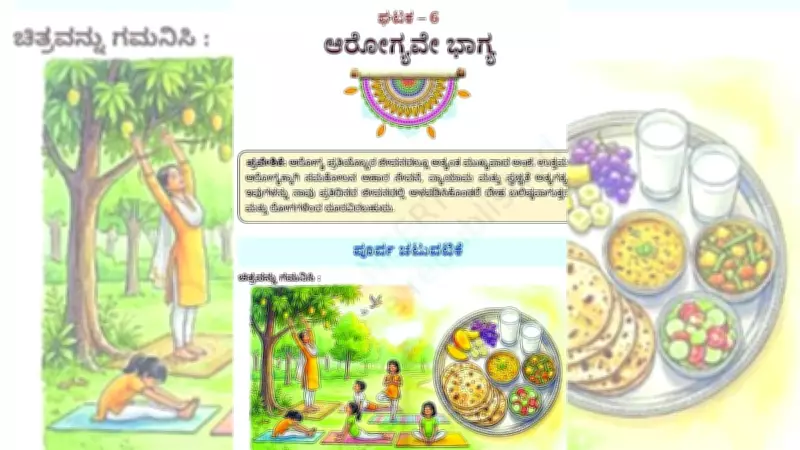
Academics Raise Concerns Over NCERT Class 6 Kannada Textbook
The NCERT Class 6 Kannada textbook has come under fire from academics and language experts for what they describe as 'mythology-heavy' content. Critics argue that the textbook, titled 'Kannada', fails to adequately represent the rich folklore, literature, and cultural diversity of Karnataka's various regions, including coastal Karnataka, north Karnataka, Malnad, and Old Mysuru.
Objections to Textbook Name and Content
Besides objecting to the name of the textbook itself, scholars have pointed out that the material leans excessively on mythological stories, sidelining the vibrant traditions of local folk tales, modern literature, and the unique lifestyles of different communities within the state. According to Dr. M. R. Raghunandan, a Kannada literature professor at the University of Mysore, 'The textbook should reflect the true essence of Kannada culture, which is a blend of folk, classical, and contemporary elements. Currently, it overemphasizes mythology.'
Missing Regional Representation
The criticism highlights that the textbook lacks representation from key regions such as coastal Karnataka, known for its distinct Yakshagana art form and fishing communities; north Karnataka, famous for its vachana literature and folk songs; Malnad, with its unique coffee plantation culture; and Old Mysuru, which has a rich history of classical music and dance. Academics argue that this omission denies students a comprehensive understanding of the state's cultural mosaic.

Impact on Students and Education
Experts warn that such a narrow focus could lead to a homogenized view of Kannada culture among young learners. 'Students need to appreciate the diversity within Karnataka to develop a holistic identity,' said Dr. Shanthi K. S., a curriculum specialist. The controversy has sparked a broader debate on textbook design and the need for inclusive content that balances mythology with regional literature and contemporary voices.
NCERT's Response and Next Steps
The NCERT has acknowledged the feedback and stated that it will review the concerns raised by academics. A spokesperson mentioned that the textbook is part of a larger effort to standardize language education but assured that regional inputs would be considered in future revisions. Meanwhile, education activists have called for a more participatory approach in textbook development, involving local scholars and cultural experts from all parts of Karnataka.