The Evolution of Re-Releases in Tamil Cinema
In the vibrant world of Tamil cinema, the phenomenon of re-releases has undergone a significant transformation. What began as simple fan-driven celebrations for birthdays, anniversaries, and jubilees has now matured into a sophisticated business strategy. This shift represents a natural progression from purely emotional events to a sharp, pronounced commercial approach that capitalizes on audience nostalgia while addressing market needs.
From Fan Celebrations to Box Office Strategy
The re-release trend has fundamentally changed over the last couple of years. Initially, these events were emotional outbursts organized by dedicated fans who wanted to celebrate their love for specific films and stars. These were intimate gatherings marked by posters, festivities, and fan displays that created memorable experiences for attendees.
Today, re-releases have become carefully plotted business operations with established marketing strategies, distribution networks, and financial planning. Producers and distributors now recognize these events as opportunities to generate revenue during periods when new theatrical releases might be scarce. The memorabilia aspect remains important, but it's now complemented by strategic timing and professional execution.

Blockbusters That Proved Nostalgia's Power
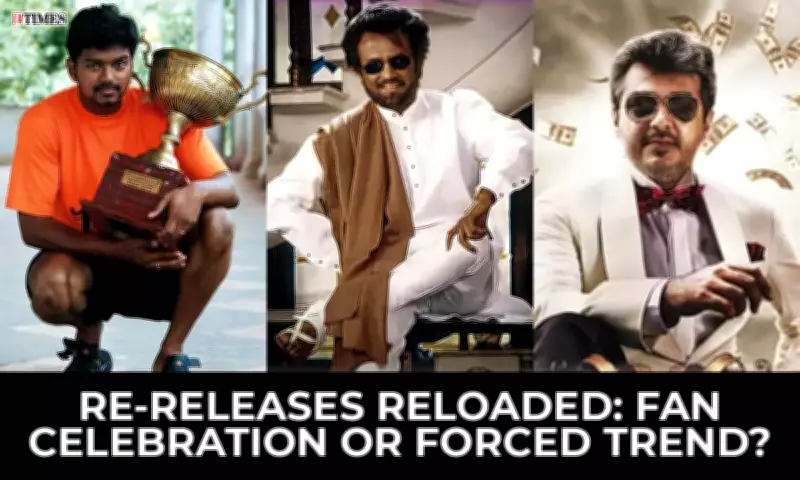
Several major Tamil films have demonstrated the commercial viability of re-releases through remarkable box office performances. Iconic movies like 'Ghilli' and 'Sachien' starring Vijay, 'Mankatha' and 'Attagasam' featuring Ajith, and Rajinikanth's legendary films 'Padayappa' and 'Baasha' have all enjoyed successful re-releases that drew full houses and generated significant revenue.
These events created unique cinematic experiences where traditional theater rituals returned with vigor. Audiences enjoyed whistling, cut-out displays, milk abhishekam ceremonies, and special matinee shows. For younger viewers, these re-releases provided a first-time opportunity to experience these classics on the big screen, while older audiences reveled in nostalgia and shared memories.
The Business Logic Behind Re-Releases
Producers have recognized the substantial business opportunity presented by re-releases. While most classic films are already available on OTT platforms and television, theatrical screenings offer a completely different experience that audiences are willing to pay for. This creates new income streams from properties that originally generated revenue years or even decades ago.
The financial appeal is particularly strong because re-release costs are substantially lower than producing new films. There are no production expenses, no lengthy planning periods, and no artist call sheets to manage. The primary costs involve film restoration, marketing campaigns, and distribution logistics. This makes re-releases a safe and profitable choice, especially during dry periods between major new releases.
A New Wave of Classics Ready for Comeback
The re-release trend is accelerating with an expanding roster of films scheduled for theatrical returns. Movies like 'Mounam Pesiyadhey', 'Amaidhipadai', and 'Theri' represent different eras, styles, and audience demographics, yet all share strong emotional connections with viewers. Even cult classics and super-hit soap operas are being considered for re-release strategies.
The tactics employed are straightforward yet effective: play directly on audience emotions and nostalgia. By filling empty theater slots with beloved classics, distributors can bring audiences back to cinemas and create memorable experiences that transcend ordinary movie-going.
As Rajinikanth noted during the re-release of 'Padayappa', "Cinema is memory. A re-release of an older film isn't just a film, it is people reliving their memories. That sentiment carries more sentiment than commerce." Director Lokesh Kanagaraj echoed this perspective, stating during a press meet, "Re-releases clearly prove one thing, and that is, re-releases with emotional and mass connect never screen out. It only waits for the right time to come."

Emotion, Business, and Future Prospects
Today's re-releases serve multiple purposes simultaneously. They provide nostalgic experiences for audiences, generate footfalls for theater owners, create returns for producers, and introduce classic cinema to younger generations. However, industry observers note potential challenges, including the risk of overkill if too many re-releases flood the market simultaneously.
Despite these concerns, the trend continues to grow and demonstrate its viability. Tamil cinema's current landscape represents a sophisticated blend of emotions, nostalgia, business acumen, and strategic planning through its re-release initiatives. This is no longer merely a nostalgic look backward but an integral part of contemporary Tamil cinema's business model and cultural expression.
The re-release phenomenon has become a testament to the enduring power of cinema to connect generations, create shared experiences, and generate sustainable revenue streams while celebrating Tamil cinema's rich heritage and ongoing evolution.