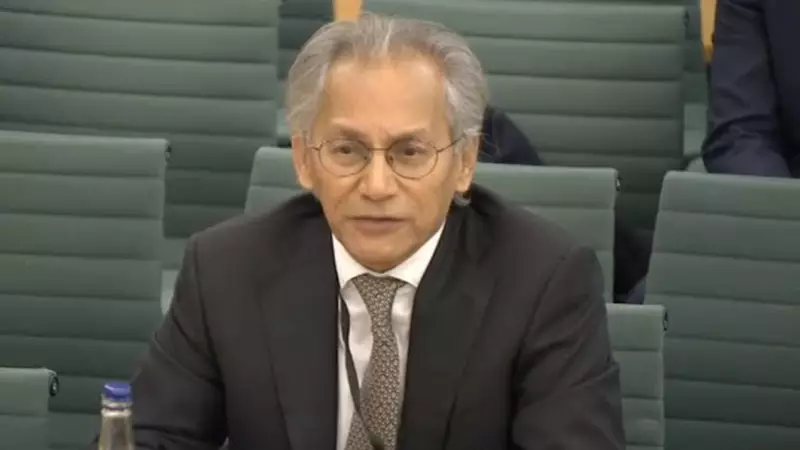
The chairman of the BBC, Samir Shah, has issued a formal apology for what he termed an 'error of judgement' in the editing of a documentary featuring a speech by former US President Donald Trump. This apology comes after the corporation received hundreds of viewer complaints regarding the controversial segment.
The Apology and Acknowledgment
In a detailed letter addressed to the UK parliament's culture, media and sport committee, Shah conceded that the editing of President Trump's speech in the 'Panorama' programme created a misleading impression. He acknowledged that the final cut 'did give the impression of a direct call for violent action.' Shah wrote on behalf of the BBC, stating, 'The BBC would like to apologise for that error of judgement.' He further revealed that the incident has prompted 'further reflection' within the entire organisation.
The issue was brought to public attention through a leaked memo from a former BBC adviser, Andrew Prescott. Since the memo surfaced, the BBC has been inundated with more than 500 complaints from concerned viewers.

Context and Internal Review
Providing context for the editorial decision, Shah explained that the Panorama team's intention was to convey the core message of President Trump's speech. The goal was to help the audience understand how the address was received by his supporters and the events unfolding on the ground at that time.
Internally, the matter was discussed as part of a broader review of the BBC's coverage of the US election, rather than being treated as an individual programme complaint. Shah admitted that, 'With hindsight, it would have been better to take more formal action.' The programme had aired before the election and initially attracted limited feedback, which influenced the initial response.
Broader Implications and Government Response
Addressing accusations that the BBC tried to suppress the concerns raised in Andrew Prescott's memo, Shah firmly denied these claims, stating they were 'simply not true.' He outlined the multiple steps the corporation has taken in recent years to uphold standards, which include:
- Publishing corrections for errors
- Changing editorial guidance
- Making leadership changes
- Undertaking formal disciplinary measures
Downing Street also commented on the situation. A spokesperson for Prime Minister Keir Starmer said the PM does not believe the BBC is 'institutionally biased.' However, the spokesperson emphasised the importance of the BBC acting to maintain public trust and correcting mistakes promptly. 'For any public service broadcaster – accountability is vital,' the spokesperson added.
While acknowledging that 'mistakes had been made,' the government noted that both the BBC director general and the CEO of News have accepted responsibility. The government also announced an upcoming charter review to assess how the BBC can achieve a sustainable funding model and prosper amidst the growing challenges in the modern media landscape.