YouTuber James Rallison Faces Intense Online Criticism Over Animation Team Restructuring
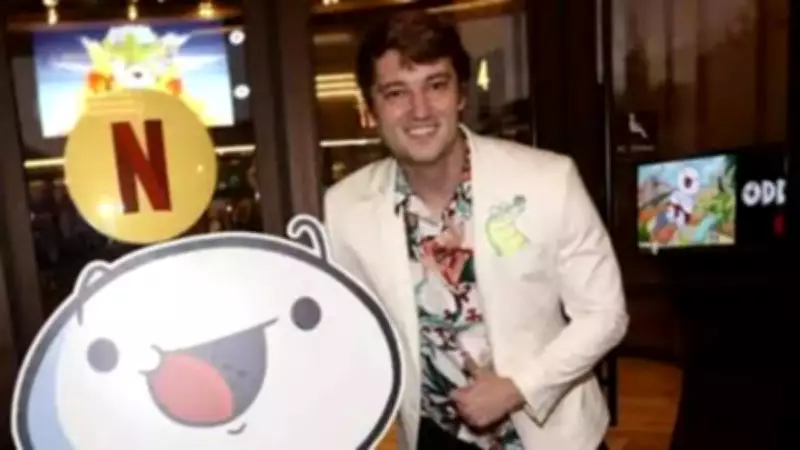
Popular content creator James Rallison, known for his successful YouTube channel TheOdd1sOut, is confronting significant backlash across social media platforms following widespread reports that his animation team was laid off. The controversy erupted when discussions began circulating on YouTube commentary videos, Reddit threads, and X (formerly Twitter) posts, alleging that Rallison had abruptly terminated several freelance animators working on his projects.
Rallison's Detailed Public Response to Growing Controversy
As the online debate intensified, Rallison issued a comprehensive public statement addressing the situation directly. Contrary to circulating claims, he emphasized that the decision was not a sudden dismissal but rather a difficult restructuring move designed to ensure the channel's long-term sustainability. His explanation quickly spread across social media platforms, generating mixed reactions from viewers and followers.
According to Rallison's detailed account, the restructuring decision stemmed primarily from productivity concerns and escalating production costs. TheOdd1sOut videos require extensive creative work including storyboarding, background art development, editing, and animation, typically involving multiple freelancers per project. However, Rallison revealed that the team had produced only three videos over the past year, creating substantial financial pressure for a channel that relies heavily on regular uploads and YouTube advertising revenue.

Maintaining a large production team involves significant financial commitments for animation work, editing services, and various creative roles. Rallison explained that continuing with the existing structure would have made it increasingly challenging to sustain the channel's operations. Consequently, he made the difficult decision to restructure the video production process and reduce team size to ensure the channel's future viability.
Addressing Specific Allegations and Supporting Affected Artists
Rallison directly countered several specific claims circulating online. He clarified that the decision was in no way related to the talent or capabilities of the artists involved, praising the animators, storyboard artists, and designers who had contributed to his projects. Regarding allegations of sudden termination, Rallison stated that every artist received personal notification before the changes took effect, with each freelancer participating in one-on-one conversations about the situation.
The YouTuber further detailed that artists who had been working full-time with the team received severance payments. In a particularly notable gesture, Rallison included a comprehensive list of credits and portfolio links for former team members, enabling other creators and animation studios to review their work and potentially offer new opportunities.
Mixed Reactions and Continuing Online Debate
Despite Rallison's detailed explanation, the online debate continues with polarized perspectives. Some users have defended the creator's position, arguing that internet commentators have exaggerated the situation. One X user commented, "So the internet once again turned a mild situation into something career ending," while another supporter noted, "They only made three videos last year and he still paid them and gave severance. Why are people acting like he is some evil CEO?"
However, skepticism persists among some commenters. One critical post on X questioned, "If he spoke one on one with every artist, why did many of them say it felt sudden?" Interestingly, a former collaborator shared a more positive perspective, describing their experience working with Rallison as respectful and noting that the position was superior to many opportunities available in the independent animation industry.
The situation highlights the complex challenges facing content creators in managing production teams while maintaining financial sustainability in the competitive digital media landscape. As the discussion evolves, it underscores broader questions about labor practices, creator responsibility, and audience expectations in the YouTube ecosystem.