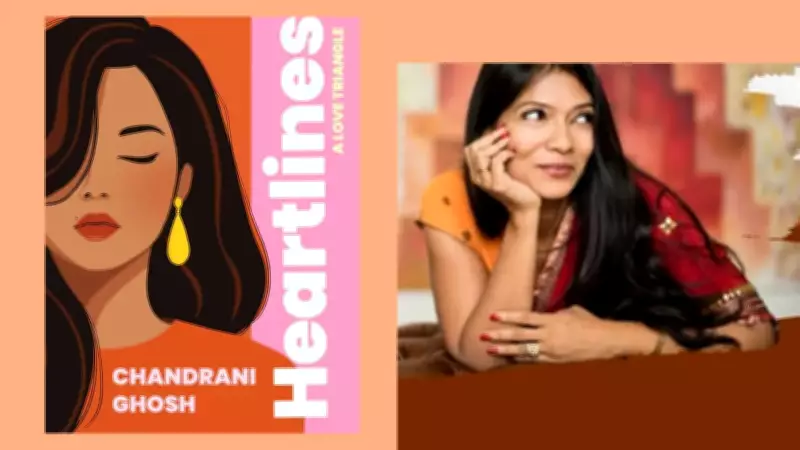
Heartline: A Novel That Reimagines Immigrant Stories Through Abundance and Connection
In contemporary literature, immigrant narratives frequently emphasize themes of displacement, loss, and longing. However, Chandrani Ghosh's novel Heartline introduces a refreshing and unique perspective by focusing on abundance, cultural blending, and evolving identities that transcend borders. This work delves into ambition, relationships, and the quiet yet profound search for human connection in today's rapidly moving world.
Exclusive Insights from the Author
In an exclusive interview, Chandrani Ghosh shared the inspirations and experiences that shaped Heartline. The author expressed a desire to tell the "other immigrant story," moving away from traditional narratives of dislocation to highlight the joy and richness of belonging to multiple cultures.
What inspired you to write Heartline?

"I aimed to portray an immigrant experience centered on abundance rather than loss. For many immigrants, life is about adding Thanksgiving and Christmas to Diwali and Holi, creating a tapestry of cultural wealth. Through the protagonist Sharmila, I explore a successful assimilation into a new world while maintaining deep roots in her original culture. Set in an affluent Indian American community, the book offers a glimpse into a world where Indian Americans excel as top earners and leaders in various fields."
Defining the "Heartline" in Modern Life
Your book explores themes of love and connection—how do you define the 'heartline' in today's fast-paced, often disconnected world?
"I believe it's possible to cultivate love, connection, and belonging even in a hectic world, but it requires active effort. Happiness stems not from financial wealth but from the richness of relationships. Prioritizing friendships and connections is crucial, as these 'heartlines' bring joy and meaning. Research supports this, showing that chronic loneliness can harm health as much as smoking fifteen cigarettes daily."
Personal Experiences and Fictional Explorations
Are the characters or situations in Heartline drawn from personal experiences, or are they purely fictional explorations?
"The backdrop is based on my personal experiences in the intersection of politics, media, and high-tech in Washington, D.C., similar to the protagonist's journalistic background. However, the storyline is entirely fictional, born from imagination."
Emotional Journey for Readers
What emotional journey do you hope readers go through while reading this book?
"I hope readers realize that growth often emerges from difficult times, enriching life through hardship. This message is particularly relevant for Gen Z, who may avoid social risks. While self-protection feels safer, it can lead to loneliness. The richest experiences—love, friendship, adventure—require vulnerability and taking chances."
Author's Personal Reflections
Did writing Heartline change your own understanding of relationships or human emotions in any way?
"Writing the novel made me appreciate the turmoil of early adulthood, a period deserving more compassion. It's when we make major life decisions with limited experience, and revisiting this through writing brought back vivid memories and emotions."
Balancing Vulnerability in Writing
How do you balance vulnerability and restraint while writing about deeply personal or emotional themes?
"I didn't consciously balance them; the process was organic and character-driven. Writing during COVID's stillness allowed full immersion, with vulnerability emerging naturally. My advice is to trust the characters and let the story unfold organically."
Meaningful Writing Moments
Was there a particular chapter or moment in the book that was especially difficult—or meaningful—for you to write?
"A meaningful section explores what happens when a journalist becomes the story, losing control over their narrative. Drawing from my experience covering the Bill Clinton–Monica Lewinsky story, I reflected on the impact of relentless journalism on individuals' private lives, a scenario I wanted to explore through my character."

Digital Age and Emotional Connections
In an age of digital communication, do you think we are losing touch with genuine emotional connections, and does Heartline respond to that idea?
"Yes, we are, and we must actively nurture relationships. Just as we invest in careers, we need to deliberately care for friendships and connections. Digital communication can create an illusion of connection, but depth requires real effort and attention."
Target Audience and Key Takeaways
What kind of reader do you think will resonate most with Heartline?
"I've been surprised by its broad appeal, including men and older women, despite its pink cover. It's been compared to Crazy Rich Asians, attracting a diverse readership."
If readers could take away just one feeling or insight from Heartline, what would you want it to be?
"That social wealth and meaningful relationships, not financial success, lead to true happiness. Cherish your community and friendships as treasures."
About the Interviewer
Smita Mishra is the Editor of Times of India Lifestyle, Times Food, and Times Travel. Known for crafting in-depth features that blend storytelling with analysis, she explores culinary arts, travel, style, relationships, health, and literature. She leads TOI Books and oversees editorial aspects of Times of India's literary initiatives, such as Times Literature Festivals and AutHer Awards. With expertise from previous roles at Zee News, Dainik Jagran, and India Today, she has been pivotal in launching online properties and making editorial enhancements.