

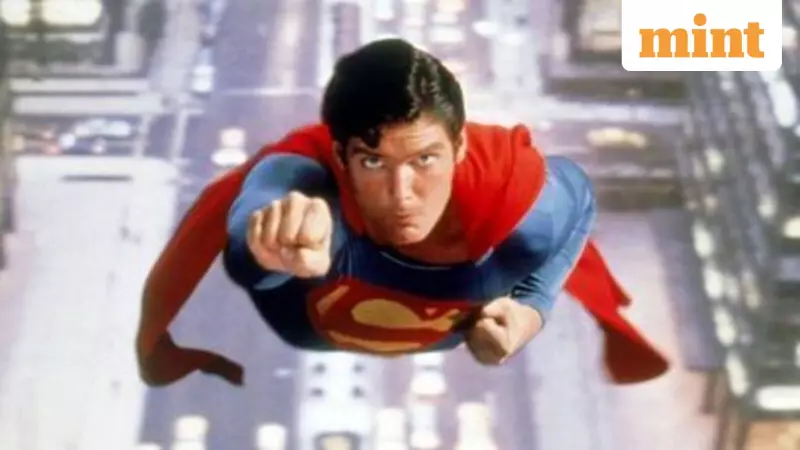
In a world of cynicism and political division, the classic hero Superman finds himself in an unusual battle: the fight for cultural relevance. A recent analysis, echoing discussions around the latest cinematic release, posits that the Man of Steel's perceived irrelevance in the 21st century is, paradoxically, his most potent strength. This journey from the iconic 1978 film to today's blockbusters reveals a hero constantly adapting to, and defining himself against, a shifting world.
The Changing World and a Static Hero
The challenge was foreshadowed cleverly in 1978's "Superman: The Movie". In a memorable scene, a panicked Clark Kent, played by Christopher Reeve, searches for a place to transform as Lois Lane dangles from a helicopter. His old refuge, the public phone booth, has evolved into a transparent box, rendering his secret-identity switch comically difficult. This visual gag was more than just humour; it was a prophecy. The institutions Superman traditionally championed—like the trustworthy press embodied by the Daily Planet—have seen public trust erode. The simple moral universe he once inhabited has fractured into complex, politically polarized debates.
For Superman, this polarization acts as a form of kryptonite, challenging the core idealism that defines him. Where other heroes like the X-Men or Iron Man easily fit into narratives about rebellious misfits or flawed anti-heroes, Superman's godlike power and inherent goodness have become harder to frame. Modern stories often explore how such power corrupts, as seen in series like "The Boys" and "Invincible". Zack Snyder's 2013 reboot, "Man of Steel," directly addressed this by portraying a Superman burdened by his abilities and distrusted by authorities, leading to his conflict with Batman in the 2016 sequel.

The 2026 Revival: Kindness as Rebellion
The latest cinematic chapter for the hero, directed by James Gunn and released in theatres on July 11, 2026, faced pre-emptive criticism from some American culture warriors who labelled it "woke," citing Gunn's description of Superman as an immigrant and his focus on "basic human kindness." Despite this, the film led the box office in its opening weekend, suggesting audiences connected with a different theme.
Gunn's approach, familiar from his "Guardians of the Galaxy" work, uses contemporary touchpoints like social media and music not for polemics but for context and humour. In this film, Lois Lane acidly notes that Superman is so uncool he mistakes a lousy pop band for punk rock. Rather than modernize Superman into a cynical figure, Gunn's movie deliberately recovers the unironic, optimistic spirit of the 1978 original. It argues that in a cutting, cynical world, to be sincerely kind and trustworthy is itself a radical, subversive act.
The Eternal Power of Character
The film's core argument, which gently touches on politics, is that Superman's greatest power isn't flight or strength, but his incorruptible character. By exploring his Kryptonian heritage and earthly upbringing, the story sharpens the question of why this alien chose good over evil. The answer illuminates the hero's timeless appeal: his sound moral compass, which resists the temptation to abuse his other powers.
In an echo of the 1978 film, Lois mocks Superman for seeing everyone as beautiful and trustworthy. His mild reply, "Maybe that's the real punk rock," encapsulates the film's thesis. This represents a political lesson for any era—that unwavering integrity and hope can be the ultimate forms of strength. While payphones may vanish and institutions falter, the need for a symbol who fights for "truth and justice" remains, proving that Superman's relevance is not in changing with the times, but in steadfastly reminding us of our better selves.

