Residents of Chennai have long endured the frustrating sight of freshly laid roads being torn up within days by various utility departments. This recurring nightmare may finally see a solution as the Greater Chennai Corporation (GCC) rolls out a stringent new coordination policy. The move coincides with a massive road relaying project worth an estimated 486 crore rupees.
A Massive Infrastructure Push
The civic body is preparing to relay more than 500 pending roads out of a total of 3,000 roads proposed for re-laying. This work is funded under multiple schemes including TURIP, NSMT, TUFIDCO, and GCC's own capital funds. The pending roads span both major bus routes and interior streets across the city.
To address immediate concerns, GCC has also allocated specific funds for monsoon damage. Each zone received 1 crore rupees for patching potholes caused by the recent northeast monsoon. Furthermore, for damaged interior roads, zonal officials were allotted 25 to 30 lakh rupees for each division. Zonal authorities are currently identifying new roads on bus routes and interior streets for relaying, with budgets and tenders to be allocated accordingly.

The Core Problem: Uncoordinated Digging
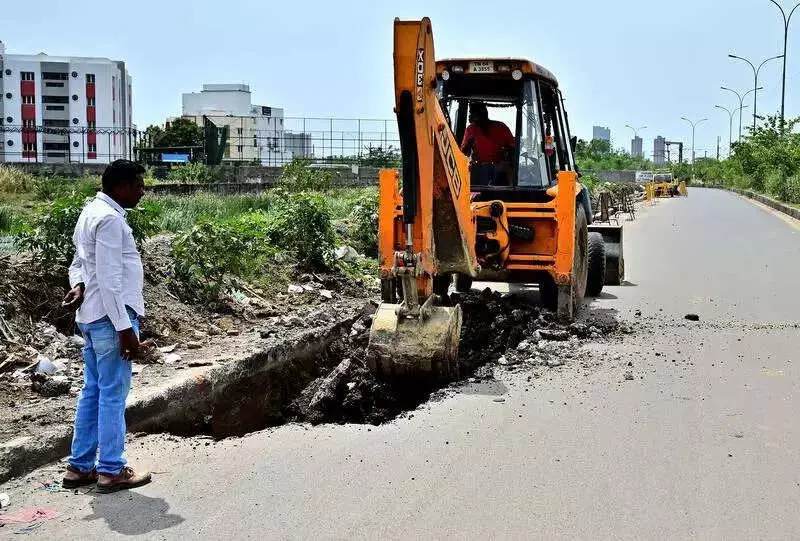
The primary issue undermining road relaying efforts has been the frequent excavation of new asphalt by agencies like Metrowater, Tangedco, and the highways department for maintenance work. This has triggered a flood of complaints to the city's 1913 helpline, the Namma Chennai app, and on social media platforms.
"We will review their proposed projects in advance," explained a senior GCC official. "Roads will be re-laid only after these works are completed and a no-objection certificate is issued by the department concerned. This will ensure that roads are not damaged again and that major patchworks are avoided."
New Rules and Enforcement Challenges
To cement this new approach, GCC has instituted weekly coordination meetings every Tuesday with all service departments. A key directive mandates that departments must refrain from cutting newly-laid roads for at least six months, barring emergencies. In cases where road cuts are unavoidable, the concerned department must bear the full cost of re-laying the road and pay it to the Corporation.
Despite these measures, residents remain skeptical. They point out that seeking prior permission from the Corporation for road cuts has always been a rule, but enforcement was notoriously weak. V Sandhya, secretary of the federation of Anna Nagar residents association, questioned the transparency of the existing system: "GCC collects charges for every road cut from these departments; will they be willing to release a whitepaper on this?"
The success of this 486 crore initiative and the new coordination protocol now hinges on strict adherence and robust monitoring. Chennai's citizens are watching closely, hoping for a permanent end to the cycle of relay and ruin on their streets.