

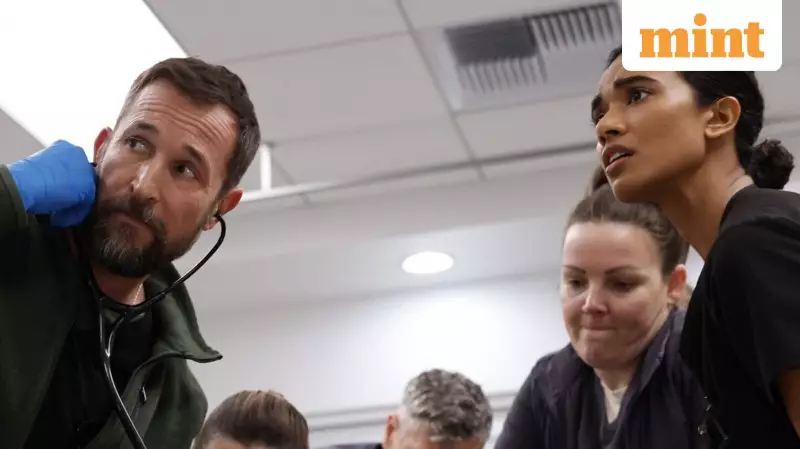
The acclaimed medical drama 'The Pitt' makes its confident return for a second season on 8 January. Building on the strong foundation of its debut, the new season solidifies the show's position as one of the most compelling and authentic hospital series on television today. Rather than overhauling its successful formula, Season 2 chooses to deepen its exploration of life inside a bustling hospital, widening its emotional scope while refining its unique visual and narrative style.
A Cinematic and Immersive Hospital Experience
From the very first scene, the series reaffirms its cinematography as a defining triumph. The camera does more than just film the hospital setting; it immerses the audience within it. Using long, fluid takes, the visuals glide through emergency corridors, trauma bays, and staff rooms with a raw, documentary-like intimacy. Viewers are often positioned just behind a surgeon's shoulder or at the edge of a patient's gurney, creating an powerful sense of being present in the moment. This approach transforms the viewing experience from passive watching into feeling like a real-time observer, akin to a medical resident or a patient's family member.
Another bold creative choice that continues to pay off is the show's minimalist use of musical score. Season 2 again prioritizes the authentic ambient sounds of the hospital environment—the constant beep of monitors, the rustle of scrubs, and the overlapping chatter of medical teams. By avoiding manipulative background music, the series allows each scene's natural tension, grief, or exhaustion to land with greater impact. This commitment to sonic realism is a striking and refreshing departure from typical genre conventions.

Narrative Depth and Grounded Performances
This season's narrative unfolds over a single, high-stakes day: the Fourth of July. This compressed timeline injects a natural urgency into the plot without veering into melodrama. The writing skillfully balances the personal struggles of the doctors and nurses with the immense systemic pressures of the healthcare system. It tackles difficult themes—including psychological trauma, institutional failure, and resource scarcity—with notable care and restraint, opting for nuanced empathy over sensationalism.
The show excels in its grounded portrayal of healthcare professionals. These are not idealized heroes delivering perfect speeches, but exhausted, emotionally drained individuals making impossible decisions daily. Noah Wyle delivers a wonderfully understated and assured performance, his character's authority conveyed through action rather than dialogue. The series also shines a light on how external forces like bureaucracy, financial inequality, and social barriers critically impact patient outcomes, weaving this commentary seamlessly into the story fabric.
A Disciplined and Purposeful Vision
The structural choice of an hour-long episodic format remains a key strength. Each episode feels substantial and well-paced, mirroring the rhythms of actual hospital life—long stretches of controlled chaos interspersed with brief, fragile moments of pause. The influence of creator Scott Gemmill is evident in the show's disciplined tone and its refusal to chase cheap emotional pay-offs.
Perhaps the most significant achievement of The Pitt Season 2 is its profound sensitivity. It confronts harsh realities without exploitation, treating its subjects and stories with deep respect and humanity. The series understands that some narratives demand quiet attention, and it consistently makes that brave choice. This season confirms 'The Pitt' as a rare gem in the medical drama landscape—a show that values authenticity above all else, with stunning visuals, disciplined storytelling, and a genuinely earned emotional core. It leaves viewers with one clear hope: that this vital series continues for many seasons to come.

