India's Ministry of Ayush has issued a warning to a prominent hepatologist, known online as LiverDoc, for referring to homeopaths as 'quacks.' The doctor, however, remains steadfast in his criticism, describing homeopathy as a 'dangerous placebo.' This exchange has ignited a fierce debate over the validity and regulation of alternative medicine in India.
Background of the Controversy
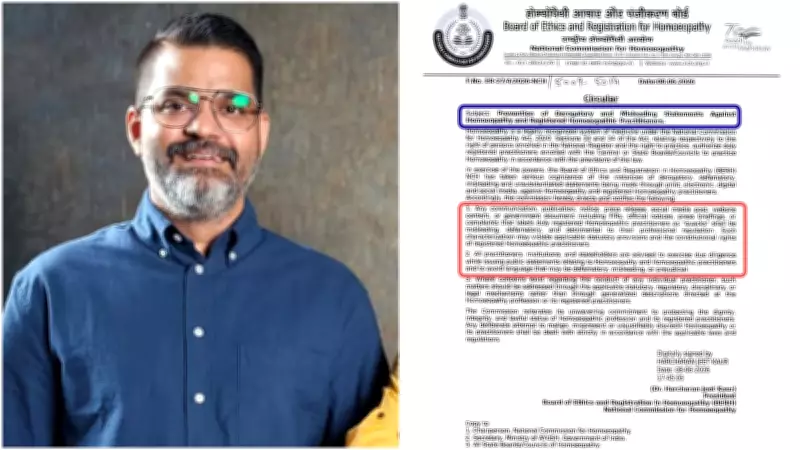
The dispute began when LiverDoc, a liver specialist with a significant social media following, posted a series of comments questioning the scientific basis of homeopathy. He argued that homeopathic remedies, which are highly diluted substances, have no proven efficacy beyond a placebo effect. In response, the Ayush ministry, which oversees traditional medicine systems including Ayurveda, Yoga, Unani, Siddha, and Homeopathy, issued a formal reprimand. The ministry stated that such remarks undermine the credibility of a recognized medical system and could mislead the public.
LiverDoc's Stand
LiverDoc has not backed down. In a recent statement, he reiterated his position: 'Homeopathy is not just ineffective; it can be dangerous when patients rely on it for serious conditions like liver disease. Calling it a placebo is generous.' He emphasized that his criticism is rooted in evidence-based medicine and patient safety. The doctor has also called for stricter regulation of homeopathic practices, particularly in cases where patients delay conventional treatment.

Ayush Ministry's Response
The Ayush ministry, however, defends homeopathy as a valid therapeutic system with a long history of use in India. In its warning, the ministry reminded LiverDoc that homeopathy is recognized by the Indian government and that disparaging it could invite legal action. The ministry also highlighted that many patients report positive outcomes with homeopathic treatments, though critics argue these are largely due to the placebo effect or natural recovery.
Public Reaction and Expert Opinions
The controversy has sparked widespread discussion on social media and among medical professionals. Supporters of LiverDoc applaud his courage in speaking out against what they see as pseudoscience. They argue that the Ayush ministry's warning is an attempt to suppress scientific criticism. On the other hand, homeopathy advocates accuse LiverDoc of being closed-minded and disrespectful to a traditional practice. Some experts suggest that a middle ground is needed, where alternative therapies are subject to rigorous scientific scrutiny while respecting cultural traditions.
Regulatory Implications
This incident raises questions about the regulation of medical discourse in India. While freedom of speech is protected, the Ayush ministry has the authority to police statements that it deems harmful to the reputation of recognized medical systems. Critics worry that this could stifle legitimate scientific debate. Meanwhile, the Ministry of Health has not yet commented on the matter, leaving the regulatory landscape unclear.
As the debate continues, patients are advised to make informed decisions about their healthcare. For serious conditions like liver disease, conventional medical treatment remains the gold standard, but many Indians also turn to homeopathy for various ailments. The clash between LiverDoc and the Ayush ministry underscores the ongoing tension between modern medicine and traditional practices in India's diverse healthcare ecosystem.