

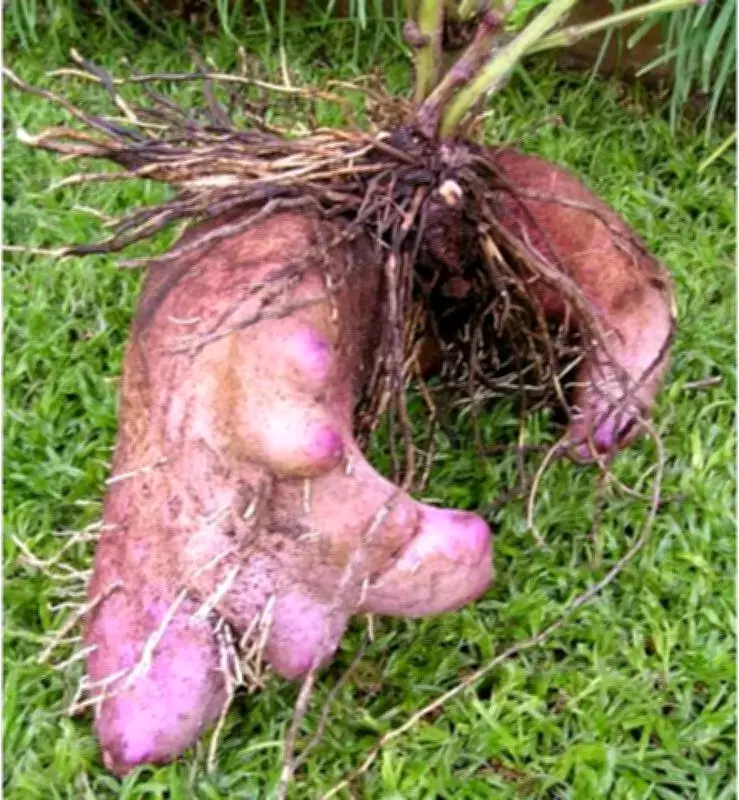
Kolhapur to Host Major Tuber Exhibition Featuring 250 Species from Six States
A unique scientific exhibition titled 'Back to the Roots' is set to take place in Kolhapur on March 14 and 15, showcasing an impressive collection of tubers from 250 different species gathered from six Indian states. This two-day event aims to bridge the knowledge gap between urban and rural communities by familiarizing visitors with these essential plant parts and their diverse culinary applications.
Preserving Traditional Knowledge and Forest Resources
Many of these tubers naturally thrive in forest ecosystems and wild habitats, with traditional understanding about their uses primarily preserved among forest dwellers, tribal communities, and residents of the Konkan region. The exhibition represents a significant effort to document and share this valuable indigenous knowledge with broader audiences.
Organizational Collaboration: The event is being organized by Kolhapur We Care and Compassion 24, in partnership with Nisarg Ankur, Shri Shahu Chhatrapati Shikshan Sanstha, and the Gardens Club of Kolhapur. This collaborative approach brings together educational, environmental, and community organizations to create a comprehensive learning experience.

Scientific Importance of Tubers in Global Food Security
Senior botanist Madhukar Bachulkar emphasized the critical role tubers play in worldwide food systems. "Tubers are thickened, nutrient-rich underground stems or roots that serve as dependable food sources in many regions," Bachulkar explained. "This free exhibition will provide scientific information to help students and citizens understand the vital importance of tubers in the human food cycle."
The botanist highlighted how these plant parts contribute significantly to food security by offering stable nutrition sources that can withstand various environmental conditions.
Geographical Diversity of Tuber Collection
The exhibition will feature tubers collected from multiple regions across India, demonstrating the country's rich botanical diversity:
- Karnataka: Joyda, Mysore, and Mangalore
- Maharashtra: Belhe, Nashik, Murbad, Palghar, and Gaganbawda
- Odisha: Bhubaneswar
- Tamil Nadu: Coimbatore, Salem, and Vellore
- Kerala: Wayanad
Historical Significance and Modern Applications
Milind Dhond, president of Kolhapur We Care, noted that humans have relied on tubers for sustenance since ancient times. "Tubers from plants like asparagus, amarkand, white musli, penwa, kalavi, bhuikohala, and kosthakulinjan are extensively used in traditional medicine systems," Dhond stated.
He further explained: "Common dietary tubers include carrot, radish, beetroot, ginger, turmeric, onion, and garlic, while vegetables like kamalkakadi, shevla, and suran are regularly consumed. Although most edible tubers today are cultivated, this exhibition will help visitors of all ages understand the vast world of tuber plants."
Exhibition Highlights and Educational Components
The exhibition will showcase a remarkable variety of tuber plants including:
- Kanga, Kate Kanga, Koradu, and Karanda
- Varahakand, Vasakand, Paspoli, and Shendvel
- Kadukand, Alsi, Shevla, and Suran
- Aerial potatoes, Kandika, and Kandak
Additionally, numerous potato species will be displayed alongside several turmeric varieties, American turmeric, and Chinese potatoes presented in pots for closer examination. The event will also feature tuber-based recipes to demonstrate practical culinary applications of these plant parts.
This comprehensive exhibition represents a significant educational initiative that combines botanical science, traditional knowledge, and practical applications to promote greater awareness about India's rich tuber diversity and its importance in nutrition and food security.






