

Total Lunar Eclipse 2026: A Celestial Spectacle with Deep Spiritual Roots
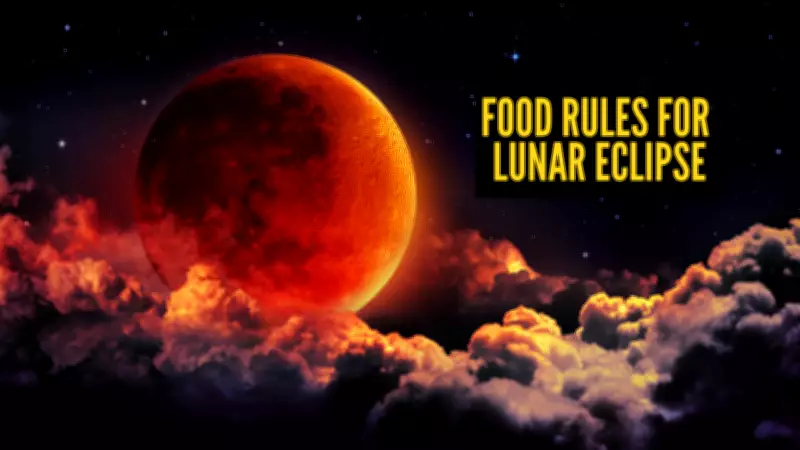
Eclipses are among nature's most awe-inspiring phenomena, blending astronomical wonder with profound cultural and spiritual significance. A lunar eclipse, or Chandra Grahan, occurs when the Earth positions itself directly between the Sun and the Moon, casting a shadow that transforms the lunar surface. On March 3, 2026, skywatchers will witness the year's first and most remarkable total lunar eclipse, often called a Blood Moon due to the Moon's striking reddish hue during the event.
Understanding the Lunar Eclipse: Science and Symbolism
This reddish coloration arises because Earth's atmosphere scatters sunlight, allowing only longer red wavelengths to reach and illuminate the Moon. Beyond its visual splendor, an eclipse is not merely a celestial curiosity; it holds immense spiritual importance across various traditions. Many believe this period amplifies energy, making it an ideal time for prayer, chanting, and meditation to harness positive vibrations for personal and collective well-being.
Lunar Eclipse 2026: Detailed Timeline and Visibility
The eclipse will unfold in distinct phases, offering a gradual celestial show:

- Penumbral Phase: Begins at 2:14 PM and concludes at 4:58 PM
- Partial Eclipse: Commences at 3:20 PM
- Total Lunar Eclipse: Starts at 4:34 PM, peaks at 5:03 PM, and ends at 5:32 PM
- Complete Eclipse End: Between 6:47 PM and 7:53 PM
In India, visibility of the partial or final phases will depend heavily on local weather conditions. This year's eclipse uniquely coincides with Holi, adding a layer of cultural resonance to the event.
Spiritual and Ayurvedic Insights: Practices During the Eclipse
According to experts, eclipses exert a profound inward pull on consciousness, making them optimal for spiritual purification. On Purnima Tithi, the full moon's rays are considered sacred, encouraging religious activities. Ayurveda advises fasting or consuming light, sattvik foods during the eclipse, as digestion and metabolism are believed to slow significantly. Hard-to-digest items like non-vegetarian fare, bread, onion, garlic, alcohol, and fermented foods should be avoided to prevent health disruptions.
Do's and Don'ts for a Harmonious Eclipse Experience
Recommended Practices:
- Eat Sattvik Food Post-Eclipse: Opt for light meals such as roti, dal, and sabzi, enhanced with turmeric for its anti-inflammatory benefits.
- Use Basil Leaves: Adding tulsi to food and water can boost immunity and ward off negativity.
- Maintain Hygiene: Bathe before and after the eclipse, and sprinkle Gangajal around the home to cleanse the environment.
- Engage in Mantra Chanting: This fosters positivity and mental calmness.
- Perform Charity: Donate white sesame seeds and wheat flour to alleviate Moon dosha.
- Clean the House: Post-eclipse cleaning helps dispel any accumulated negative aura.
Avoidable Activities:
- Refrain from eating or drinking during the eclipse, as it is considered inauspicious.
- Avoid non-vegetarian foods, alcohol, smoking, and hard-to-digest items.
- Do not cook or bake, as food may absorb negative energies and become contaminated.
Special Considerations: Pregnancy and Modern Perspectives
Astrologers caution pregnant women against consuming anything during the eclipse, citing potential complications linked to planetary alignments like Moon-Sun and Rahu-Ketu. From a modern scientific viewpoint, no direct link between eclipse-day eating and health issues has been established, though ancient beliefs emphasize the Moon's influence on bodily cycles and digestion.
This total lunar eclipse offers a rare opportunity to marvel at cosmic beauty while engaging in time-honored spiritual and wellness practices, blending astronomy with tradition for a holistic experience.






