Valmiki Tiger Reserve Study Uncovers Remarkable Dung Beetle Diversity
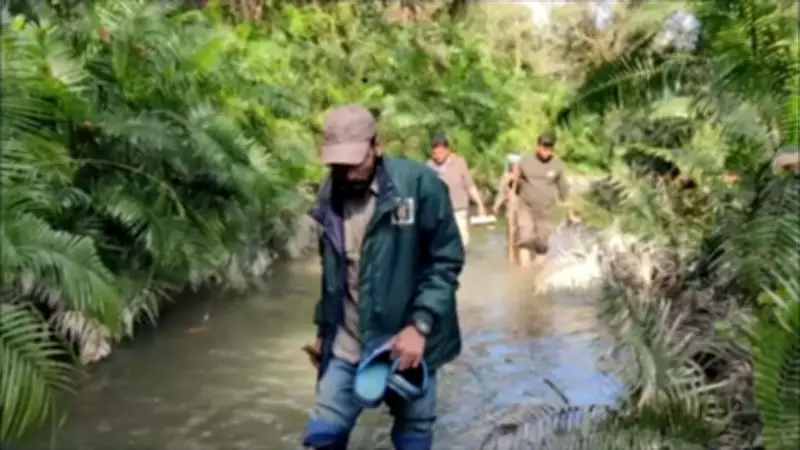
A groundbreaking scientific study conducted at Bihar's Valmiki Tiger Reserve in West Champaran district has unveiled an astonishing diversity of dung beetles, emphasizing their critical role in sustaining ecological balance through nutrient recycling and soil enrichment. This research provides new insights into the intricate connections between insect populations, large mammals, and overall forest vitality.
Detailed Analysis of 45 Species Reveals Ecological Significance
Researchers meticulously documented approximately 75 distinct species of dung beetles within the reserve's boundaries. Among these, 45 species underwent intensive examination to understand their specific associations with mammalian dung. This analysis underscores the profound link between insect diversity, the presence of large mammals, and the general health of forest ecosystems. The comprehensive findings have been officially published in the prestigious Journal of Asia-Pacific Entomology.
Extensive Field Surveys Yield Over 5,645 Individual Specimens
Field surveys were systematically carried out across two primary forest types within the Valmiki Tiger Reserve, resulting in the collection of more than 5,645 individual dung beetles. The sal forest, characterized by its Phoenix vegetation, emerged as a significant biodiversity hotspot. This area supported around 2,680 beetles belonging to 45 different species. In contrast, the mixed moist deciduous forest recorded approximately 965 beetles across 30 species, indicating varying ecological niches and habitat preferences.

Dung Beetles: The Unsung Heroes of Forest Ecosystems
Sourabh Verma, the study's lead researcher and a biologist affiliated with the reserve, highlighted the often-overlooked importance of these insects. "Dung beetles are a vital but frequently ignored component of forest ecosystems," Verma stated. "Their diversity and abundance closely mirror the presence of large mammals and the quality of forest habitat. A decline in dung beetle populations often serves as an early warning indicator of ecological stress and potential degradation."
Dung beetles rely on animal dung for both nourishment and reproduction. In performing these essential functions, they deliver crucial ecological services. By breaking down and burying dung, they enrich the soil with vital nutrients, enhance water infiltration, reduce parasite loads, and facilitate seed dispersal. These actions directly contribute to forest regeneration and overall productivity, making them indispensable to ecosystem health.
Megafauna Dung Supports Highest Beetle Diversity
The study revealed that dung from large herbivores, such as elephants and gaur, supported the greatest number of beetle species. This finding highlights the pivotal role of megafauna in maintaining robust insect communities. Conversely, dung from smaller herbivores like sambar deer attracted fewer species. While many beetles exhibited generalist tendencies, capable of utilizing various dung types, some displayed strong specialization based on dung texture and nutrient content.
According to Verma, preserving the balance between generalist and specialist species is fundamental for ecosystem resilience. "When forests experience the loss of key mammal species due to habitat degradation or poaching, these invisible yet essential services begin to deteriorate, potentially leading to broader ecological collapse," he explained.
Implications for the Terai Arc Landscape
These findings hold substantial significance for the Terai Arc Landscape, where the Valmiki Tiger Reserve constitutes the easternmost forest block. Any reduction in large herbivore populations could trigger cascading effects on dung beetle communities, soil health, and forest regeneration processes. The study advocates for integrated conservation strategies that protect both megafauna and the intricate insect networks that depend on them, ensuring the long-term sustainability of these vital ecosystems.