The World Health Organization (WHO) recently concluded a pivotal global summit, placing a powerful spotlight on the future of traditional medicine. The event, held in Gandhinagar, India, centered on establishing robust research, governance, and evidence-based pathways to integrate these ancient healing systems into modern global health.
Plenary Sessions Drive the Core Agenda
The summit's plenary sessions formed the intellectual backbone of the gathering, tackling the most critical challenges and opportunities. A primary focus was on building a global research agenda for traditional medicine. Experts and delegates emphasized the urgent need for rigorous scientific validation to understand the efficacy, safety, and quality of traditional treatments.
Another cornerstone discussed was governance and regulation. Sessions explored frameworks for integrating traditional medicine practitioners into national health systems, ensuring proper training, and establishing standards for practice and products. This move aims to enhance patient safety and build trust across the healthcare spectrum.

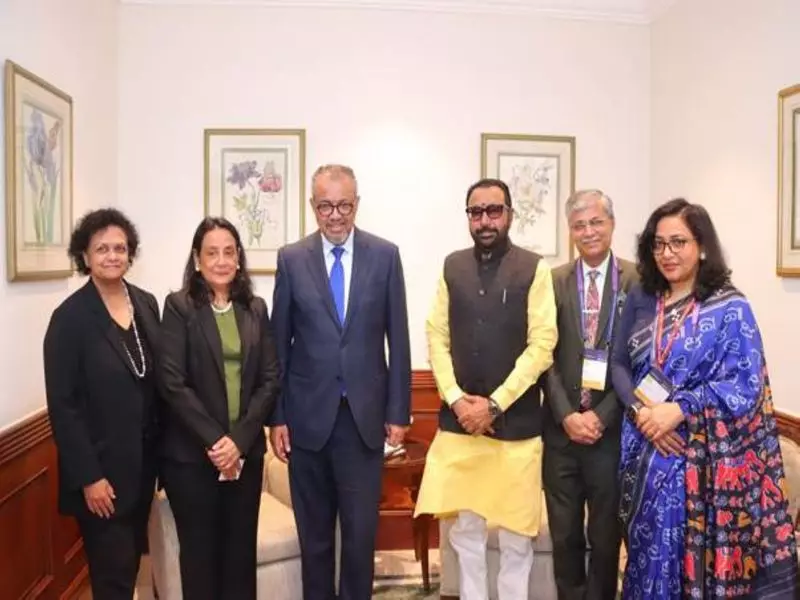
Dr. Tedros Adhanom Ghebreyesus, WHO Director-General, underscored the organization's commitment. He highlighted the WHO Global Centre for Traditional Medicine (GCTM) in Jamnagar as a key hub for driving this evidence-based agenda forward, fostering collaboration and setting global benchmarks.
India's Leadership and the AYUSH Showcase
The summit served as a prominent platform for India's leadership in the field. The country's Ministry of AYUSH (Ayurveda, Yoga & Naturopathy, Unani, Siddha, and Homeopathy) played a central role, showcasing India's rich heritage and contemporary initiatives in traditional medicine.
Discussions highlighted how traditional medicine systems like Ayurveda can contribute to achieving Universal Health Coverage (UHC) and the Sustainable Development Goals (SDGs). The integration of cost-effective, accessible traditional therapies could alleviate pressure on conventional health systems, especially in primary care and preventive health.
Forging an Evidence-Based Pathway Forward
The conclusive theme of the summit was the unwavering push for evidence-based pathways. This involves leveraging modern technology and research methodologies—including data analytics, clinical trials, and innovative learning systems—to build a credible, globally recognized knowledge base for traditional medicine.
The consensus was clear: for traditional medicine to gain wider acceptance and integration, it must be supported by transparent and rigorous scientific data. The summit concluded with a reinforced global commitment to bridge the gap between tradition and modern science, ensuring these healing practices can safely and effectively contribute to the health and well-being of people worldwide.