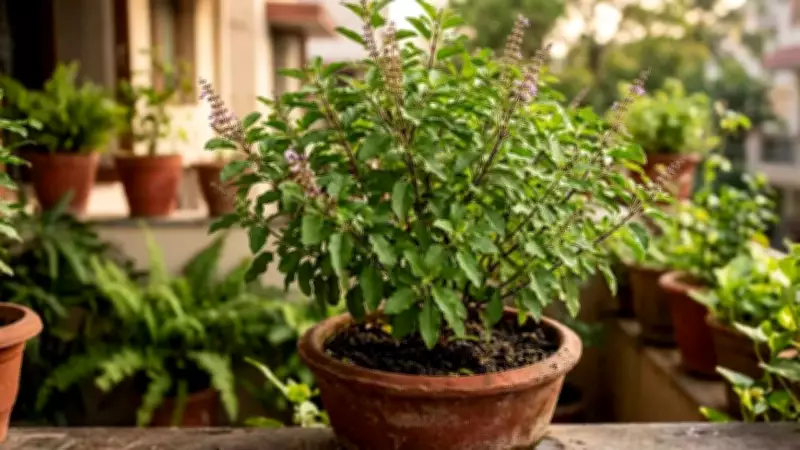
Why Tulsi Leaves Turn Yellow: A Comprehensive Guide to Plant Health
Tulsi, commonly known as holy basil, is a beloved plant in many Indian households, cherished for its cultural significance and medicinal properties. Its popularity stems not only from these attributes but also from its reputation as an easy-to-maintain plant. However, a frequent challenge faced by gardeners is the yellowing of Tulsi leaves, even when the plant seems otherwise healthy. This issue typically indicates that something in the care routine is amiss, whether related to watering, sunlight, or other factors.
Understanding the Causes of Yellow Leaves on Tulsi Plants
In Tulsi plants, yellow leaves are often a sign of stress. One of the primary causes is overwatering, which can damage the roots, impairing their ability to absorb oxygen and leading to yellowing. Another major factor is insufficient sunlight. Tulsi requires ample sunlight for photosynthesis, and a lack of it can cause leaves to lose their green hue and turn yellow. Additionally, poor soil quality and adverse weather conditions can contribute to this problem.
Watering Best Practices for a Thriving Tulsi Plant
Proper watering is crucial for Tulsi care. The plant prefers slightly moist soil but suffers in waterlogged conditions. To determine when to water, check the soil surface; if it feels dry, it's time to water. Be cautious not to overwater, adjusting the frequency based on seasons: reduce watering in cooler months and increase it during warmer periods. Ensure excess water drains from the pot to prevent root issues.

Sunlight and Ideal Placement for Optimal Growth
Tulsi thrives in bright sunlight, needing at least five to six hours of direct exposure daily. Placing it in shaded areas or indoors can weaken the plant, leading to yellow leaves. Ideal spots include balconies, terraces, or sunny windows. Good air circulation is also essential to prevent fungal growth and maintain plant health.
Soil Quality and Drainage: Key Factors in Plant Maintenance
The type of soil used significantly impacts Tulsi health. It flourishes in well-draining soil that retains some moisture, such as garden soil mixed with compost and sand or cocopeat. Equally important is the pot selection; always choose pots with drainage holes to avoid water accumulation, which can cause root rot and yellowing leaves.
Nutrients and Regular Maintenance for a Lush Tulsi Plant
Feeding Tulsi with organic fertilizers, like compost or vermi-compost, at regular intervals supports its growth. Pruning is another vital practice; remove yellow and dry leaves to encourage new growth, improve ventilation, and prevent diseases. This routine maintenance helps the plant stay vibrant and healthy.
Protecting Tulsi from Pests and Environmental Stress
Pests such as aphids, whiteflies, and mites can attack Tulsi, causing leaves to yellow. Regular inspection helps identify issues early, and neem oil spray can effectively manage pests. Environmental stress, like temperature fluctuations or strong winds, should also be minimized by keeping the plant in a stable environment.
Simple Habits to Prevent Yellow Leaves and Ensure Year-Round Health
The key to a healthy Tulsi plant is consistency in care. Water only when necessary, provide adequate sunlight, and use nutrient-rich soil. Minor steps, like occasionally loosening the soil or rotating the pot for even sunlight exposure, can make a significant difference. By establishing a routine, your Tulsi plant can adapt to its conditions, remaining green and robust throughout the year.