

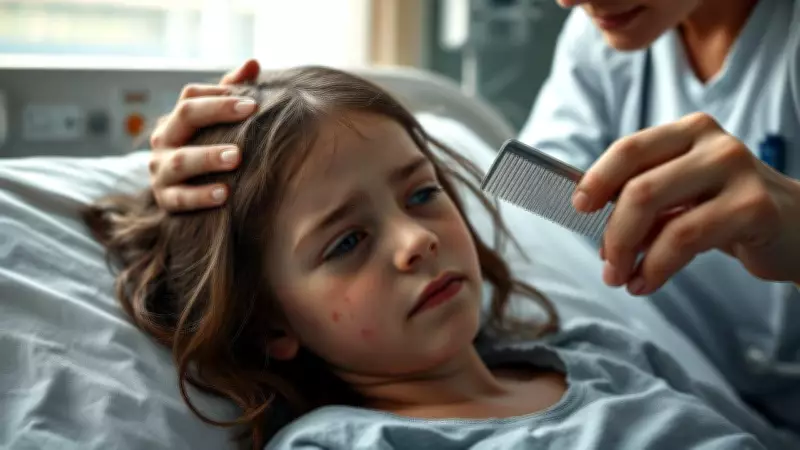
Tragic Death of 12-Year-Old Girl in Odisha Linked to Severe Lice Infestation
A 12-year-old girl from Puri, Odisha, died at the district headquarters hospital on Saturday night after developing severe health complications that are suspected to be linked to an acute and prolonged lice infestation. The tragic incident has prompted health authorities to order a detailed and comprehensive investigation to determine the exact cause of death and prevent similar occurrences in the future.
Details of the Deceased and Her Condition
The deceased has been identified as Lakshmipriya Sahoo, a resident of Champagada Sahi under the Balanga block. She was a Class VI student at a local school in the area. According to family members, Lakshmipriya had been suffering from a severe lice infestation for several months. Despite multiple attempts at treatment, her condition showed no signs of improvement and continued to deteriorate over time.
On Friday, the situation took a critical turn when the minor began vomiting blood. She was immediately rushed to the District Headquarters Hospital (DHH) in Puri for emergency medical attention. Doctors at the hospital prescribed medications specifically for lice treatment and to control her vomiting. However, her health condition worsened rapidly, and she tragically passed away on Saturday night.

Family's Account and Social Impact
Lakshmipriya's mother, Satyabhama, provided a heartbreaking account of her daughter's struggle. She revealed that due to the intense lice infestation, Lakshmipriya initially started covering her head with a scarf while attending school to hide the condition. In the last few days, a strong and foul smell began emanating from her scalp, which became so severe that she was forced to stop attending classes altogether.
"I asked her to shave her head, but she refused," Satyabhama said, explaining that the lice had severely affected her daughter's scalp. Due to Lakshmipriya's thick hair, the family failed to realize the full extent of the infestation until it was too late. "She also refused to step out due to embarrassment and discomfort," the grieving mother added, highlighting the social and psychological impact of the condition.
Medical Perspectives and Possible Causes
Puri Chief District Medical Officer (CDMO) Dr. Akshay Satapathy stated that the girl could have died either due to an adverse reaction to medication used for treating lice or due to septicaemia resulting from a severe scalp infection. "Repeated scratching can cause wounds on the scalp, which may lead to infection. If not treated in time, such infections can spread and become fatal," he explained. Dr. Satapathy emphasized that the exact cause of death can only be determined after a detailed investigation, though he admitted he was not fully aware of the specifics of this particular case.
Dr. Chandra Sekhar Sirka, a dermatology professor at AIIMS Bhubaneswar, suggested that a secondary infection may have occurred following the lice infestation, complicating the medical situation. Dr. Maitreyee Panda, a senior dermatologist, echoed this concern, stating that severe infections due to lice infestations can create serious health complications. "Mostly, secondary infection, including sepsis, may occur after severe lice infestation. There are side effects of head lice infestation, which can become serious," she added.
Historical Context and Global Concerns
The case brings to light the potentially fatal consequences of untreated lice infestations. A 2022 study titled 'The Darker Side of Head Lice Infestations', published in the journal Clinics in Dermatology, reported a similar tragic incident. The study documented the death of a 12-year-old girl in Georgia from an apparent cardiac arrest, with the secondary cause identified as severe anaemia resulting from extensive head lice infestation.
This underscores the importance of timely medical intervention and proper hygiene practices, especially in vulnerable populations such as children. Health authorities in Odisha are now focused on investigating this case thoroughly to understand the medical failures and systemic issues that may have contributed to this preventable tragedy.






