

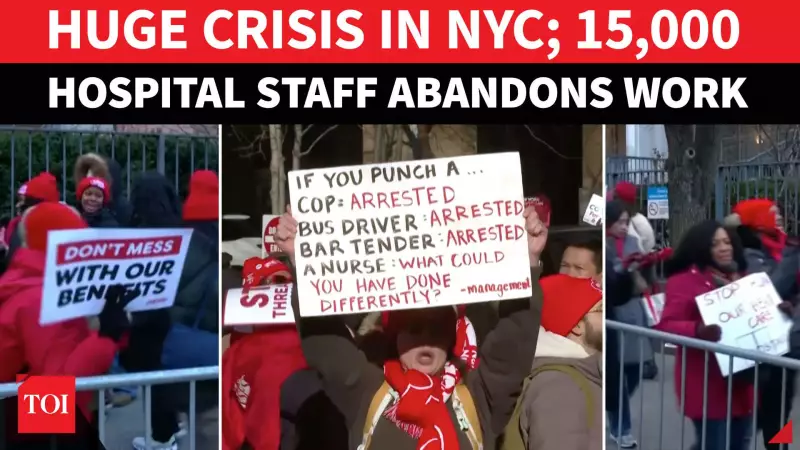
New York City Hospitals Paralyzed by Massive Nurses Strike
Thousands of nurses abandoned their posts at major New York City hospitals on Monday, launching one of the largest healthcare strikes the city has seen in recent years. Approximately 15,000 nurses from three major hospital systems—NewYork-Presbyterian, Montefiore, and Mount Sinai—walked off the job after contract negotiations completely collapsed.
Nurses Demand Safer Conditions and AI Limits
The striking nurses are pushing for several key improvements in their working environment. Their primary demands include safer staffing levels to reduce burnout and improve patient care, enhanced workplace security measures to protect healthcare workers, and specific limits on the use of artificial intelligence in clinical settings. Nurses argue that these changes are essential for maintaining quality care and their own well-being.
Hospital administrators have responded by stating that these demands carry too high a financial cost. They insist that patient care will continue uninterrupted despite the massive walkout, though the strain on remaining staff is evident.

Strike Hits During Severe Flu Season
The timing of this strike could not be more challenging. It coincides with a severe flu season that has already stretched hospital resources thin across the city. This combination creates a perfect storm for healthcare delivery, putting additional pressure on emergency services and inpatient care.
State officials are closely monitoring the situation to ensure patient safety remains a priority. They are watching hospital operations as talks between the nurses' union and hospital management continue, though no breakthrough appears imminent.
Political Test for Mayor Mamdani
The strike presents an early and significant political test for New York City Mayor Zohran Mamdani. The mayor has publicly expressed support for the nurses and their cause, putting him in a delicate position as he balances labor relations with public health concerns.
How Mamdani navigates this crisis could define his administration's relationship with both healthcare workers and hospital management moving forward. His handling of the situation will be closely watched by all parties involved.
The walkout has effectively paralyzed operations at some of New York's most important medical institutions. Patients face longer wait times and reduced services as hospitals implement contingency plans with skeleton crews. The strike's impact on the city's healthcare system continues to grow with each passing hour.

