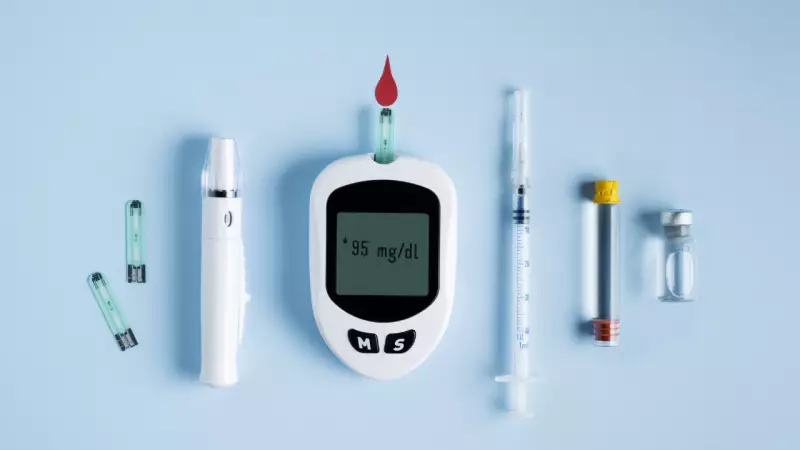
Diabetes often arrives without fanfare, its early whispers drowned out by the noise of daily life. Dismissed as mere side effects of a busy schedule, these subtle nudges are frequently ignored until more serious problems emerge. This 'silent epidemic' is a growing concern in India, affecting a vast portion of the population. Recognizing these early signs through awareness and simple blood tests can be the key to preventing progression to severe health issues like neuropathy or cardiovascular strain.
The Overlooked Early Warning Signs
Many early indicators of prediabetes or type 2 diabetes don't seem alarming on their own. People often attribute them to aging, stress, or their lifestyle. However, when these signs cluster together—especially in individuals with a family history, a sedentary routine, or a waistline over 40 inches for men and 35 inches for women—they form a clear signal for medical attention. In India, where over 100 million people are navigating this condition, urban areas see a particularly high prevalence.
1. Persistent and Unexplained Fatigue
Do you feel a deep, unshakable tiredness that even a full night's sleep or a weekend of rest cannot cure? This isn't ordinary exhaustion. It happens because high blood sugar levels prevent your cells from efficiently absorbing glucose, which is the body's primary fuel. Consequently, your system runs on empty. Healthcare professionals frequently observe this in seemingly healthy individuals, particularly those with desk-bound jobs and hectic lives. Women may notice it more acutely during prediabetes stages due to hormonal influences.

2. Tingling Sensations in Extremities
A faint pins-and-needles sensation in your fingertips or toes, perhaps while using your phone or walking, is easy to blame on temporary poor circulation. In reality, this subtle tingle can be an early sign of peripheral neuropathy. Excess sugar in the bloodstream gradually damages the protective coating of nerves. This damage builds silently, often long before classic symptoms like increased thirst or frequent urination become apparent. It's a symptom present in a significant number of undiagnosed cases.
3. Slow-Healing Wounds and Cuts
When a minor scrape from gardening or a small paper cut takes weeks to heal, becoming crusty or infected despite care, it's a red flag. Elevated glucose levels impair blood circulation and weaken the immune system's response, stalling the body's natural repair mechanisms. In India, family stories often include relatives who ignored persistent foot sores until they became major issues. Monitoring minor injuries is crucial, especially for those over 40 or carrying excess abdominal weight.
4. Dark, Velvety Skin Patches
The appearance of dark, velvety patches on the neck, underarms, or knuckles is often mistaken for dirt, sweat stains, or a reaction to lotion. Medically termed acanthosis nigricans, these patches are a visual cue of insulin resistance. They appear when the body produces excess insulin to manage rising blood sugar levels. South Asians, due to genetic predisposition, are more prone to this condition. It's essentially your skin sending an early warning signal before blood sugar levels spike dramatically.
5. Recurring Infections
Frequent yeast infections, nagging bladder issues, or gums that bleed easily and persistently are often chalked up to bad luck, stress, or climate. However, high blood sugar creates an ideal environment for fungi and bacteria to thrive, while simultaneously lowering the body's defenses. This leads to recurrent infections. Women may discuss such issues privately, while men might overlook persistent gum problems until teeth become loose. Humid climates, like that of Delhi, can exacerbate these issues.
6. Constant Dry Mouth and Itchy Skin
A parched mouth despite drinking adequate water and unexplained itching on the shins or arms without a visible rash are subtle hints. Increased, albeit subtle, urination pulls fluids from tissues, concentrating sugar further and drying out the mouth. Poor microcirculation, another effect of high sugar, leads to dry, itchy skin from within. While people often blame air conditioning or dry weather, these can be signs of the body's internal imbalance, especially if they worsen after carbohydrate-rich meals.

Taking Action: Turning Whispers into Wins
The good news is that early detection can change the trajectory. Simple lifestyle interventions can have a profound impact. Starting your day with a walk after breakfast, swapping refined grains like white rice for millets, and aiming for a modest 5-7% reduction in body weight if needed are powerful first steps. Screening is straightforward and accessible. Home finger-prick glucose monitors or a visit to a doctor for an HbA1c test can provide clarity. Proactive management based on these early signs can help dodge severe long-term complications such as kidney strain, vision problems, and cardiovascular disease, allowing individuals to lead healthier, fuller lives.