

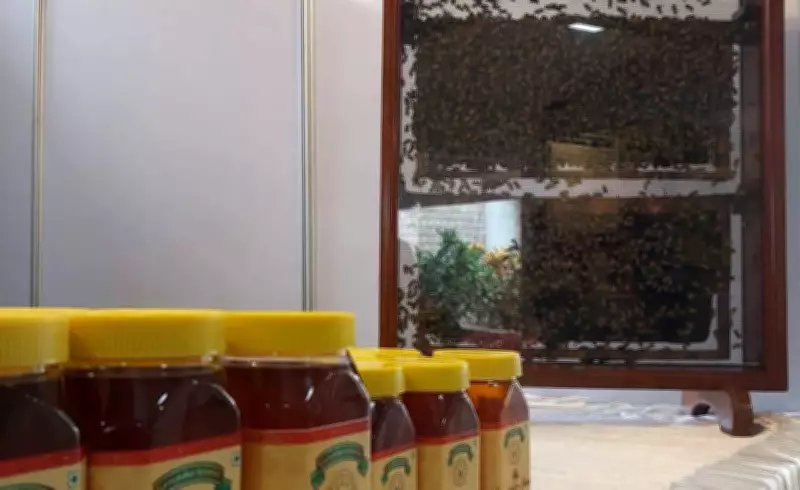
Adulteration and Fake Branding Threaten Karnataka's Honey Industry
Bengaluru: Beekeepers in Karnataka have raised alarm over rampant adulteration and fake branding that are eroding consumer trust and harming genuine honey producers. Despite ongoing efforts to secure a geographical indication (GI) tag for Kodagu honey, industry players allege that cheaper honey sourced from other states is being repackaged and sold as premium Kodagu honey in local markets.
At a World Honey Day event organized at the University of Agricultural Sciences (UAS), Bengaluru, scientists and honey producers emphasized the need for stronger quality certification and testing systems. "When we undertook market research, we found that litchi honey from states like Bihar and Gujarat is bought at lower prices and packaged as Coorg honey or local honey in parts of Karnataka," said Ramapratheek Kariyal, founder of Gramajanya Farmer Producer Company. He noted that neighboring Kerala has built a stronger brand identity for its locally sourced honey, particularly honey collected from rubber plantations.
Call for Reliable Testing Infrastructure
Addressing concerns over purity, UAS-B Vice-Chancellor SV Suresha stated that a reliable testing and certification infrastructure is essential to improve public confidence in honey products. "UAS-B is currently generating a large database of various parameters of honey samples in the new honey testing facility developed in collaboration with the Visvesvaraya Trade Promotion Centre," he said. Beekeepers noted that commercial-scale apiculture is still at a nascent stage in Karnataka and called for a cooperative model similar to the dairy sector to support marketing and production. However, the lack of accessible testing facilities remains a major hurdle for small producers.

Challenges from Pest Infestation
The sector also faced a severe setback in 2025 following widespread infestation of bee colonies by the small hive beetle pest. Scientists have been advising farmers on preventive measures, including beetle traps, to control the infestation.
Value-Added Products and Pollination Services
Apart from honey production, beekeepers are increasingly exploring value-added products such as beeswax and bee pollen. Farmers are also recognizing the benefits of bee pollination, with many reporting higher crop yields after introducing bee boxes into their farms. Beekeepers, particularly in north Karnataka, say the demand for pollination services has risen sharply among horticulture farmers.
"Bee pollination as a service was a trend we had observed in north India. It is now a reality in northern Karnataka as well. Bee pollinators are in high demand among pomegranate farmers who are desperately in need of bees for pollination. Many are now renting bee boxes at Rs 3,000 per box per season," said PR Badari Prasad, associate professor of entomology at UAS Raichur.
Concerns Over Pesticide Use
Scientists also raised concerns over excessive pesticide use, warning that indiscriminate spraying is contributing to declining bee populations. They urged farmers to carefully coordinate pesticide application with pollination periods to minimize harm to bees.
Production and Export Data
- India's honey production in 2024-25: 1,52,000 tonnes
- Export in 2024-25: 1 lakh tonnes
- India rose from 9th place in 2020 to 2nd place in 2024-25
How Karnataka Is Faring
- Average annual production: 2,100 tonnes
- 52,750 managed bee colonies
- Average yield of 6.68 kg/box/year
- Top 3 districts: Uttara Kannada, Kodagu, and Chikkamagaluru
Credit: PR Badari Prasad, UAS-Raichur






