

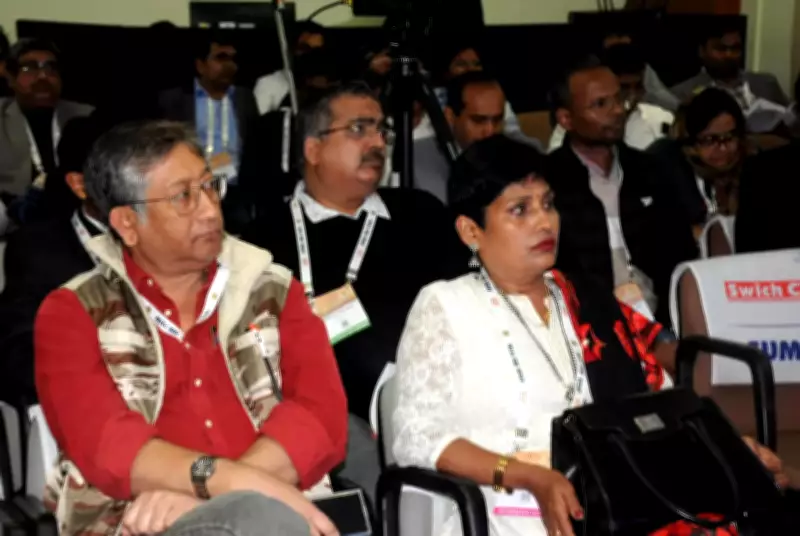
APICON 2026 Day 2: Doctors Sound Alarm on Antibiotic Misuse and Call for Holistic Medical Practices
On the second day of APICON 2026 in Patna, medical professionals raised serious concerns about the rampant overuse and misuse of antibiotics in contemporary healthcare. Physicians emphasized that a proper clinical approach should be the first line of defense against health issues, rather than immediately resorting to antibiotic prescriptions. This discussion underscored the critical importance of thoroughly understanding a patient's medical history and contextual factors before making treatment decisions.
Expert Insights on Antibiotic Stewardship and Patient History
Infectious disease expert Dr. Ramasubramanian highlighted that past medical history is of utmost importance in clinical practice. He detailed that this should include comprehensive information such as social contacts, drug and vaccination history, travel details, sexual history, and incidents of animal bites. Dr. Ramasubramanian advised fellow doctors to prescribe the shortest effective course of antibiotics when absolutely necessary, suggesting that this could often be limited to up to five days to minimize the risk of resistance.
During a special session, Dr. Nandini Chatterjee issued a stark warning, cautioning that antimicrobial resistance could emerge as the next global health emergency if current practices are not reformed. Her remarks added urgency to the call for more judicious use of antibiotics in medical treatments.

Emphasizing Lifestyle and Preventive Healthcare
The conference also featured extensive discussions on the importance of lifestyle factors in maintaining health. Health experts unanimously stated that a balanced diet, regular walking, yoga, and consistent exercise are no longer optional but essential components of healthy living. They noted that a disciplined lifestyle not only helps in preventing a wide range of diseases but also significantly reduces the risk of lifestyle-related conditions such as diabetes, high blood pressure, and heart disease.
Experts affirmed that establishing a healthy routine forms the strongest foundation for longevity and an improved quality of life, advocating for these practices to be integrated into both patient care and public health messaging.
Integrating Humanity and Technology in Modern Medicine
During various scientific sessions held at venues like the Bapu Auditorium and Gyan Bhavan, doctors engaged in detailed discussions on modern medical practices, emerging challenges, and the integration of technology in healthcare. Research papers were presented on a diverse range of subjects, spanning from the role of humanity in medicine to the applications of artificial intelligence (AI).
At the beginning of the first session on the second day, eminent physician Dr. D Nageshwar Reddy emphasized the importance of humanity in medical practice. He asserted that medical practice should not be confined solely to treating diseases. Dr. Reddy elaborated that a doctor's responsibility extends beyond providing physical relief to offering mental and emotional support to patients. He stressed that the integration of compassion, empathy, and ethical values with modern technology is what truly completes the medical profession.
Balancing AI and Clinical Judgment in Future Medicine
In another key session, Dr. Jyotirmay Pal from Kolkata spoke on the topic "The Master Key to Success: AI or Clinical Judgment." He articulated that while technology, particularly AI, will undoubtedly assist future medicine, a doctor's clinical experience and judgment will continue to remain paramount. Dr. Pal's insights highlighted the need for a balanced approach where technological advancements complement rather than replace the nuanced decision-making of skilled physicians.
Specialized Medical Discussions and Research Presentations
The conference also hosted in-depth discussions on specialized fields such as nephrology, endocrinology, and clinical indicators for diagnosing infectious diseases. These sessions provided young physicians with valuable practical insights and updates on best practices in these critical areas of medicine.

Under the Presidential Oration, API president Dr. G Narsimhaulu presented his research on "Rheumatoid Arthritis: Past, Present, and Future," offering a comprehensive overview of the disease's evolution and treatment prospects. In the Netaji Oration, Dr. Alkendu Ghosh discussed the challenges associated with systemic lupus erythematosus, shedding light on this complex autoimmune condition.
Additionally, Dr. S Anuradha spoke on the evolution of the HIV epidemic, providing historical context and current management strategies. Dr. Mantosh Panja shared insights into complex percutaneous coronary intervention cases, highlighting advanced techniques in cardiology. These presentations collectively enriched the academic discourse at APICON 2026, fostering a collaborative environment for medical advancement.





