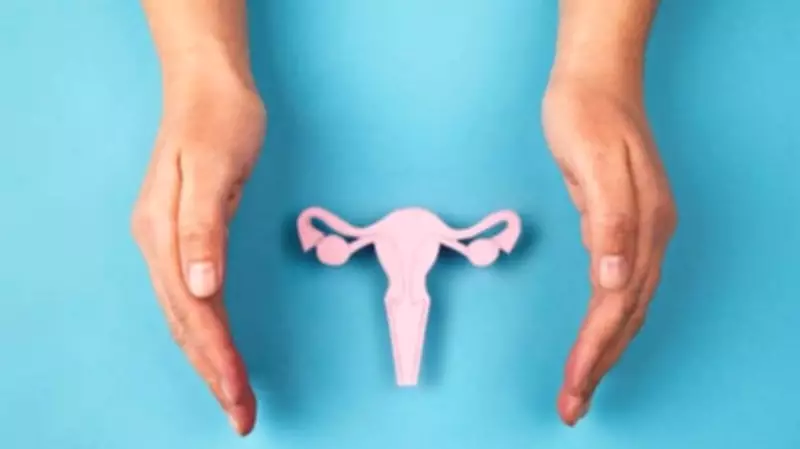
A Bartholin's cyst is a fluid-filled lump that forms on either side of the vaginal opening, where the Bartholin glands are located. These glands are responsible for secreting fluid that lubricates the vagina. When the duct of a Bartholin gland becomes blocked, fluid accumulates, leading to a cyst. While often painless, the cyst can become infected, resulting in an abscess that causes significant discomfort.
Causes of Bartholin's Cyst
The primary cause of a Bartholin's cyst is a blockage in the duct of the Bartholin gland. This blockage can occur due to various reasons, including infection, injury, or thickening of the mucus. Sexual activity may also contribute to the development of a cyst, although it is not a sexually transmitted infection (STI) itself. However, STIs like gonorrhea or chlamydia can increase the risk of infection and abscess formation.
Symptoms
Many women with a small Bartholin's cyst experience no symptoms. However, as the cyst grows, it may cause:

- A painless lump near the vaginal opening
- Discomfort during walking, sitting, or sexual intercourse
- Redness and swelling if the cyst becomes infected
- Pain and tenderness in the affected area
- Fever or chills if an abscess develops
Diagnosis
Diagnosis typically involves a pelvic exam. The doctor will inspect the area and may press on the cyst to check for tenderness. If an infection is suspected, a sample of the fluid may be taken for laboratory analysis to identify the causative bacteria. In women over 40, or if the cyst appears unusual, a biopsy may be recommended to rule out cancer.
Treatment Options
Home Care
Small, painless cysts may resolve on their own. Sitz baths—soaking the genital area in warm water several times a day—can help the cyst drain naturally. Over-the-counter pain relievers can alleviate discomfort.
Medical Treatment
If the cyst is large, painful, or infected, medical intervention may be necessary. Options include:
- Incision and Drainage: The doctor makes a small cut to drain the cyst. This provides immediate relief but has a higher chance of recurrence.
- Catheter Insertion: A small rubber tube (Word catheter) is inserted to keep the duct open for several weeks, allowing continuous drainage.
- Marsupialization: A surgical procedure where the cyst is opened and the edges are stitched to create a permanent opening, reducing recurrence.
- Antibiotics: Prescribed if an infection is present, though they do not treat the cyst itself.
- Laser Therapy: A newer, less invasive option using a laser to create an opening.
Prevention
There is no guaranteed way to prevent Bartholin's cysts. However, practicing safe sex and maintaining good hygiene may reduce the risk of infections that can lead to blockages. Regular pelvic exams can help detect cysts early.
When to See a Doctor
Consult a healthcare provider if you notice a lump near the vaginal opening that does not go away, causes pain, or shows signs of infection such as redness, swelling, or fever. Prompt treatment can prevent complications.
Bartholin's cysts are common and usually benign. With appropriate care, most women recover fully without long-term issues.