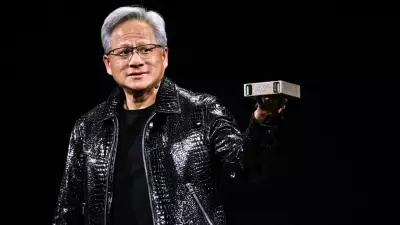
Out of curiosity, Delta Air Lines CEO Ed Bastian decided to experiment with an artificial intelligence tool when he sat down to write his commencement speech for Emory University. The algorithm's script came up almost immediately, neatly formatted and free of grammatical errors. But as the veteran executive looked down at the text, he realized something essential was missing. It had no spirit. The draft didn't have the warmth, the personal stories, or the real human appreciation that only a real person could share after decades of navigating the corporate world. Bastian shoved the printout into the recycle bin and took a pencil, writing out his speech the old-fashioned way.
The Hidden Cost of Automation
The text points to an increasing conflict in modern workplaces, where workers are more and more faced with a choice: between algorithmic efficiency and authentic human expression. The temptation to rely heavily on automation tools to write emails, create reports, or make presentations is greater than ever for those just starting in the corporate world. However, leaning too heavily on automated shortcuts can inadvertently dull the unique personal perspective that sets an employee apart in a competitive job market.
In a comprehensive research report on Generative AI and Collective Diversity by researchers Anil R. Doshi and Oliver P. Hauser, the authors state that while algorithmic tools can help individuals rapidly generate clean baseline text, they also substantially increase the similarity of independent outputs. When many people draw on the same underlying distributions to think and create, the collective novelty of the work falls, resulting in a homogenized sea of sameness.

The Subtle Trap of Outsourcing Creativity
The modern workplace is quickly splitting into tasks that need pure speed and moments that need real human connection. As companies around the world adopt automated agents to handle high-volume data or routine scheduling, the qualities that technology cannot replicate remain central to human leadership. It's all about personal character, ethical choices, and accountability in building a lasting reputation in the profession.
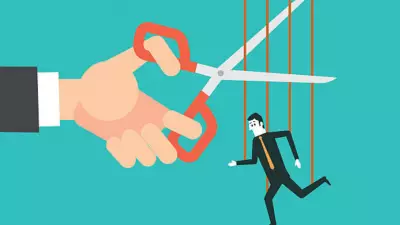
It can be a subtle trap, the outsourcing of every creative or professional thought to a machine. A new research report, 'Does AI Limit Our Creativity' from the Wharton School, reveals that teams that turn to automated advisors tend to generate similar ideas, which significantly stifles the diverse range of ideas needed for true workplace innovation. If professionals go for the easy option, they risk diluting their own brand and personal voice until their contributions become entirely replaceable. True professionalism is created when the decisions are hard, and the easy way out is deliberately bypassed for original work.
The New Technical Edge: Human Soft Skills
Technology is flattening the curve on technical execution, while interpersonal grounding is emerging as the ultimate differentiator in the workplace. Technical skills are still required, but what really sets a professional apart from a run-of-the-mill manager is humility, profound active listening, and genuine appreciation of the work of one's colleagues. Dealing with complex human relationships in the workplace requires a kind of emotional intelligence and an understanding of human nature that no computer code can provide.
But real confidence and professional development come not from slick, error-free automated routines, but from entering the messy reality of trial and error. Each failure, misstep, and personal recovery is a rich educational experience that shapes a worker's professional path far more than a perfect machine-produced shortcut ever could. Guard your individual voice and put some real effort into your day-to-day communication, and you'll do your career a favor. When you commit to honest communication and don't let an algorithm do your thinking, you guarantee that your work is yours, in a way that is unique and unforgettable.