

Bengaluru Cancer Center Reports Drop in Cervical Cancer Cases
New data from Bengaluru's Kidwai Memorial Institute of Oncology reveals a positive trend in the fight against cervical cancer. The state-run hospital, one of the busiest cancer treatment centers in India's tech capital, has documented a noticeable decline in cervical cancer burden among women.
Numbers Show Clear Downward Trend
Dr Naveen T, director of KMIO, shared specific figures that illustrate this decline. The percentage share of cervical cancer among all female cancers dropped from 19.3% in 2021 to 16.2% in 2025. Looking at actual case numbers, the hospital registry recorded 1,076 cervical cancer cases among 7,023 total female cancer cases in 2024. By 2025, this number fell to 929 cases among 5,742 total female cancer cases.
"Some treatments from 2025 case files are still ongoing," Dr Naveen noted. "But overall trends, including long-term population data, clearly indicate a decreasing burden."

Government Initiatives Making a Difference
Doctors attribute this decline to several government-led programs. Improved female education, better maternal and child health services, family planning initiatives, and women's empowerment efforts have collectively contributed to important social changes.
"These programs have led to a later age at marriage, delayed first pregnancy, and reduced parity," Dr Naveen explained. "These factors lower the risk of persistent HPV infection, which is the primary cause of cervical cancer."
Screening Rates Remain Alarmingly Low
Despite the positive trend, oncologists express serious concerns about screening rates. Less than 2% of women undergo regular cervical cancer screening, indicating a long road ahead for prevention efforts.
Dr Shruthi Shivdas, a consultant in gynecologic oncology at Cytecare Hospitals, provided important context about national statistics. "Age-standardized incidence rates and mortality rates have reduced in India," she said. "But absolute numbers of new cases and deaths continue to rise because of population growth."
Dr Shivdas highlighted several factors influencing these numbers:
- Women's lifespans are increasing nationwide
- Improved reporting from new cancer registries
- Greater screening uptake in some areas
- Population growth affecting absolute numbers
"Screening and vaccination have increased," she added, "but not enough to counter population rise."
Late Diagnosis Remains Major Problem
While cervical cancer is typically diagnosed between ages 35-65 globally, Indian women face significant delays in diagnosis due to awareness gaps. Dr Abhilasha Narayan, consultant at HCG Cancer Hospital, explained the consequences.
"Peak incidences occur among women aged 50 to 59 years," she said. "But this mostly reflects late diagnosis. About 60 to 70% of cases are diagnosed at advanced stages with poor prognosis."
The Silent Nature of Early Cervical Cancer
Precancerous conditions and early cervical cancer stages often show no significant symptoms. These conditions can exist for one or two decades and are usually treatable or even curable if detected early.
Oncologists report seeing only 2 to 5 cervical cancer cases monthly, with most being advanced. However, screening during general check-ups reveals a different picture.
"Among women who come for screening," Dr Shivdas noted, "we detect at least one or two pre-cancer cases roughly every three to six months."
Understanding Cervical Cancer
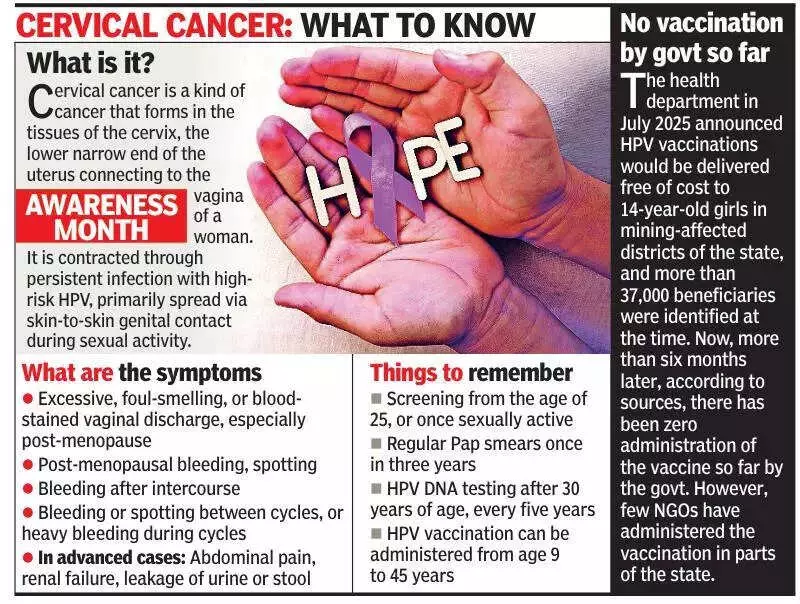
Cervical cancer develops in the tissues of the cervix, the lower narrow end of the uterus connecting to the vagina. Persistent infection with high-risk HPV causes this cancer, primarily spreading through skin-to-skin genital contact during sexual activity.
Recognizing Symptoms
Women should watch for these warning signs:
- Excessive, foul-smelling, or blood-stained vaginal discharge, especially after menopause
- Post-menopausal bleeding or spotting
- Bleeding after intercourse
- Bleeding or spotting between cycles, or unusually heavy bleeding during cycles
- In advanced cases: abdominal pain, renal failure, or leakage of urine or stool
Prevention and Screening Recommendations
Medical experts recommend these precautions:

- Begin screening at age 25, or once sexually active
- Regular Pap smears every three years
- HPV DNA testing after age 30, repeated every five years
- HPV vaccination available from age 9 to 45 years
Vaccination Program Faces Delays
In July 2025, the health department announced free HPV vaccinations for 14-year-old girls in mining-affected districts. Authorities identified more than 37,000 beneficiaries at that time.
Now, over six months later, government sources report zero vaccine administration through this program. However, some NGOs have administered vaccinations in parts of the state.
The data from Bengaluru offers both hope and caution. While cervical cancer burden shows decline, low screening rates and vaccination delays highlight areas needing urgent attention. Early detection through regular screening remains crucial for saving lives.
