Bihar Government Expands Ambulance Fleet with 124 New BLS Units
The Bihar state government has announced a significant expansion of its emergency medical response capabilities with the induction of 124 new Basic Life Support (BLS) ambulances. This strategic move will increase the total ambulance fleet from 1,941 to an impressive 2,065 vehicles, marking a substantial enhancement in the state's healthcare infrastructure.
Strengthening Golden Hour Emergency Response
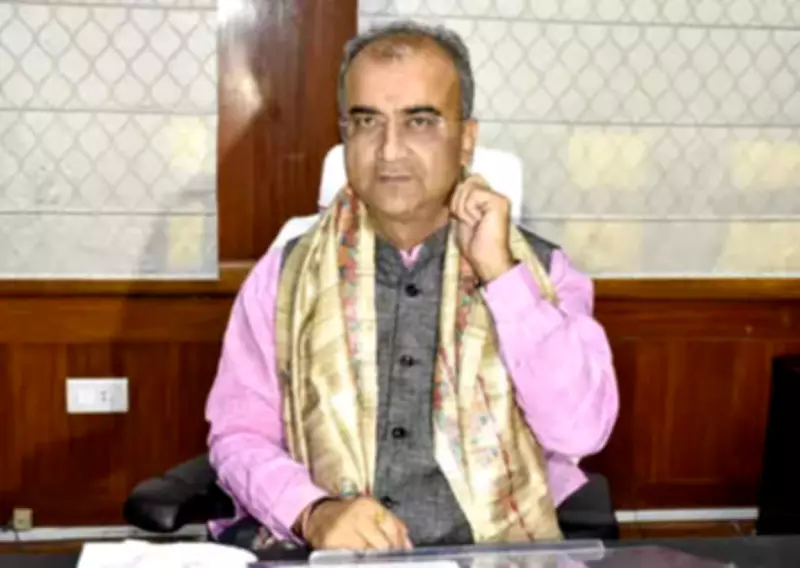
Health Minister Mangal Pandey emphasized that this initiative, implemented under the NDA government, represents a comprehensive push to modernize and reinforce emergency health services throughout Bihar. The expanded fleet aims to ensure the availability of both Basic Life Support and Advanced Life Support (ALS) ambulances across all districts, creating a more robust emergency medical ecosystem.
"Our focus is on strengthening emergency response during the critical golden hour period," stated Minister Pandey. "By expanding our ambulance fleet and ensuring proper distribution of both BLS and ALS units, we are creating a more responsive healthcare system that can save more lives."

Advanced Life Support: Mobile ICU Capabilities
The minister described ALS ambulances as essentially mobile intensive care units designed to deliver rapid and effective care to critically ill or injured patients. These specialized vehicles are equipped to handle serious medical conditions including:
- Heart attacks and cardiac emergencies
- Severe breathing difficulties and respiratory distress
- Traumatic injuries from accidents
- Other life-threatening medical situations
Minister Pandey highlighted that patients in rural areas and smaller districts often face significant challenges due to limited access to advanced medical facilities. To address this disparity, the government has strategically deployed ALS ambulances at both district and block levels, ensuring safe transport of critical patients to higher-level hospitals equipped to handle complex medical cases.
Free Ambulance Service Usage Statistics
The state provides free referral transport to emergency and government hospitals through the toll-free number 102, available for illnesses, accidents, and other medical emergencies. Recent usage statistics reveal substantial public reliance on this service:
- In the 2024-25 period, 14,30,373 patients utilized the free ambulance service
- During the 2025-26 period up to January, 15,94,220 patients availed of the service
These numbers demonstrate both the critical need for emergency medical transport and the growing public awareness and utilization of available healthcare services.
Current Ambulance Infrastructure and Capabilities
Officials provided detailed information about the current ambulance infrastructure in Bihar. The state currently maintains:
- 1,941 Basic Life Support (BLS) ambulances
- 576 Advanced Life Support (ALS) ambulances
"We have surpassed the requirement for ALS ambulances," confirmed a government official. "The established criterion is one ambulance per 5 lakh population, and we have exceeded that benchmark with our current fleet."
ALS ambulances are equipped with sophisticated medical technology including ventilators, cardiac monitors, defibrillators, and comprehensive life-saving medicines. These mobile medical units are operated by trained paramedics and doctors, enabling continuous treatment during transit until patients reach appropriate hospital facilities.
Comprehensive Emergency Medical Strategy
The expansion of Bihar's ambulance fleet represents a multi-faceted approach to emergency healthcare:

- Increased geographical coverage across all districts
- Enhanced response times during critical medical situations
- Improved patient outcomes through specialized ALS capabilities
- Greater accessibility for rural and remote populations
- Integration with existing healthcare infrastructure
This initiative reflects the state government's commitment to building a more resilient and responsive healthcare system capable of addressing diverse medical emergencies across Bihar's varied geographical and demographic landscape.