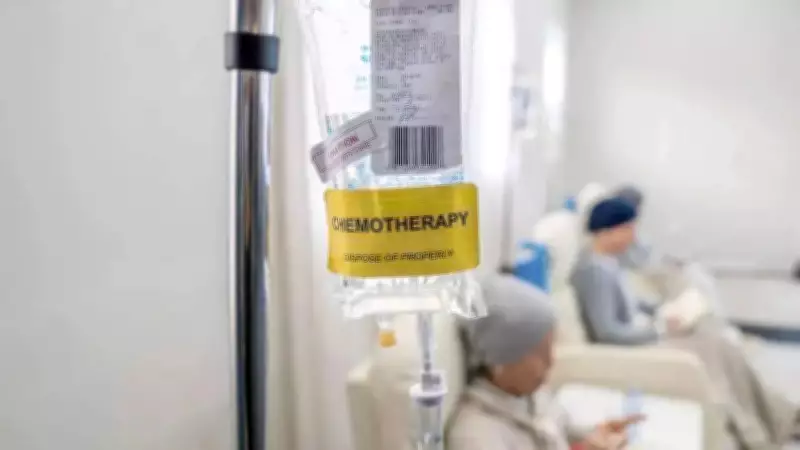
NEW DELHI: Cancer patients across India are scrambling to procure two life-saving chemotherapy drugs as a shortage of Cisplatin and Carboplatin begins to disrupt treatment schedules. Doctors at AIIMS Delhi, private hospitals, and cancer centers across the country warn that prolonged shortages could affect outcomes for patients undergoing curative treatment.
Hospitals Report Dwindling Stocks
Hospitals are reporting dwindling stocks, while patients and their families are being forced to hunt for pharmacies and distributors that have the drugs. “The situation is pretty serious. We have barely one or two days’ supply left at the hospital. Patients are frantically searching and trying to arrange the drugs themselves,” said Dr. Shyam Aggarwal, chairman of Medical Oncology at Sir Ganga Ram Hospital. The medicines are used in the treatment of several common cancers, including those of the lung, ovary, cervix, breast, oral cavity, esophagus, testes, and gallbladder.
Impact on Treatment Plans
Dr. M D Ray, a surgical oncologist at AIIMS Delhi, stated, “The absence of the drugs can disrupt treatment plans and may ultimately affect survival and recurrence rates. Prolonged shortages can force treatment delays, particularly in patients being treated with curative intent.” Doctors emphasize that the concern is particularly serious because there are limited alternatives. Dr. Mandeep Singh Malhotra, director of surgical oncology at CK Birla Hospital, noted that there are no true substitutes for the drugs in many treatment regimens.

Reasons Behind the Shortage
Industry representatives attribute the shortage to rising input costs for the platinum-based drugs. Tarun Garg, business head of South Delhi Pharma, explained that the problem has persisted for around 40 days, with some manufacturers reducing or halting production as price-controlled rates no longer cover costs. “The cost of imported inputs has increased several-fold. Companies have sought a price revision, but the matter remains under consideration,” Garg said, alleging that some manufacturers continue to export the medicines even as domestic supplies remain constrained.
This crisis underscores the vulnerability of India’s healthcare system to supply chain disruptions, particularly for essential cancer medications. Patients and healthcare providers are urging immediate government intervention to ensure uninterrupted access to these critical drugs.