

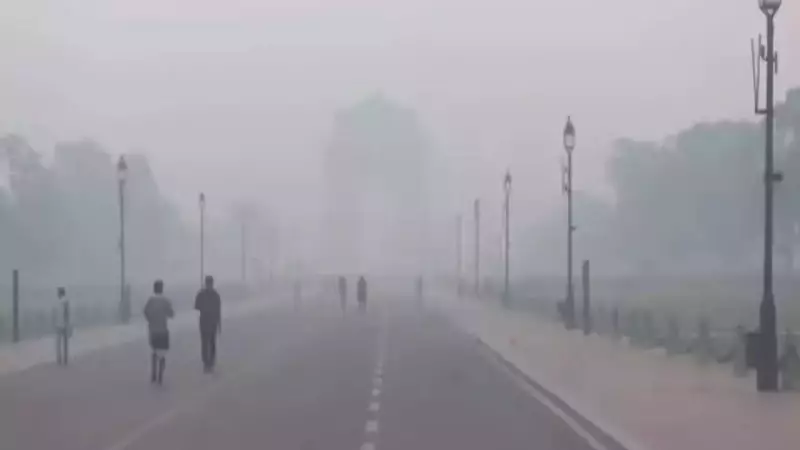
Delhi's Toxic Winter Air Takes Heavy Toll on Children's Health
A new citywide survey has uncovered a disturbing trend in India's capital. Delhi's notorious winter pollution is leaving a visible and concerning mark on children's health. The study shows a sharp increase in respiratory illnesses among young residents during peak pollution months.
Survey Reveals Soaring Demand for Respiratory Aids
The clean-air advocacy group Warrior Moms conducted the survey among chemists across Delhi. Their findings paint a worrying picture. Sales of respiratory aids for children spiked dramatically between November and January. This period coincides with Delhi's worst air quality, when pollution routinely enters the "very poor" and "severe" categories.
Chemists reported that one in every three nebuliser purchases during winter months was for a child. This statistic highlights the growing strain on young, developing lungs. The survey found demand for nebulisers and asthma medicines nearly doubled during high-smog periods. Some neighborhoods reported sales increases of 40 to 60 percent.

Doctors Witness Daily Impact in Clinics
Medical professionals confirm the survey's findings reflect their daily experiences. Dr. Sumit Chakravarty, a paediatrician and Associate Director of Paediatrics and Neonatology at Asian Hospital, explained the situation clearly.
"Winter pollution is driving a sharp rise in cough, wheezing and breathlessness among children," Dr. Chakravarty stated. He noted several factors make children particularly vulnerable. Their lungs are still developing. They spend more time outdoors. Standard masks often fail to block fine pollutants.
The toxic air triggers asthma attacks and chest infections at younger ages than before. This leads to a worrying dependence on nebulisers and inhalers. Many children now require stronger treatments, including steroids, because routine medicines are no longer sufficient.
"This raises serious concerns about long-term lung damage," Dr. Chakravarty emphasized. He added that repeated illness is also fueling anxiety among families.
Common Medications and Geographic Patterns
The survey identified specific medications experiencing increased demand. Commonly dispensed drugs included Asthalin and Levolin inhalers. Pharmacists also reported higher sales of Budecort Respules and Duolin inhalation solutions. Long-term control inhalers such as Seroflo saw increased use as well.
Parents frequently reported symptoms worsening during specific times of day. Early mornings and late evenings proved particularly problematic. These periods coincide with peak pollution levels in the city.
Zone-wise data revealed geographic disparities in impact. North and east Delhi emerged as the worst affected areas. Chemists in north Delhi reported an average of 17 nebuliser purchases for children per day. This contrasted sharply with approximately 9 to 10 purchases in south and central Delhi.
Pharmacists noted children with asthma and allergic bronchitis were especially vulnerable to pollution effects.
Medical Experts Warn of Long-Term Consequences
Pulmonologist Dr. Animesh Arya provided a sobering perspective on the situation. He explained that Delhi's winter pollution reaches levels that repeatedly inflame children's lungs during their most critical years of growth.
"The surge in nebuliser and inhaler use is not just about asthma flare-ups," Dr. Arya clarified. "It shows reduced lung resilience caused by sustained exposure to very severe air pollution."
Children face heightened risk due to physiological factors. They breathe faster than adults. They inhale more air relative to their body weight. These characteristics mean they absorb higher concentrations of fine particulate matter.
The consequences include chronic cough, persistent wheezing, frequent infections and, in susceptible children, long-term lung function impairment. Dr. Arya described this as an ongoing public health emergency rather than a seasonal problem. He stressed the urgent need for policy action to improve air quality.

Supply Chain Strains and Policy Recommendations
The spike in demand created practical problems beyond health concerns. Pharmacies reported frequent shortages of high-demand medicines during December and January. Chemists had to scramble for stocks, raising concerns about access to essential respiratory care during pollution peaks.
The report urged authorities to take several specific actions. It recommended anticipating winter surges by ensuring adequate medicine supplies. The authors called for timely advisories for parents and schools. They emphasized strengthening preventive measures alongside treatment options.
Doctors issued a clear warning about the limitations of medical intervention. Medicines can only manage symptoms. Without urgent action to curb pollution, Delhi risks raising a generation with permanently weakened lungs.
