Energy Drink Craze Poses Silent Liver Threat to India's Youth, Warn Doctors
Energy drinks, marketed as instant vitality in a can, have become the newest craze sweeping young India. However, behind every fizzy sip lurks the risk of silent liver damage. On World Liver Day, liver specialists are reporting a significant surge in cases linked to overconsumption, raising serious concerns about a growing health risk among the nation's youth.
Clinical Evidence and Global Warnings
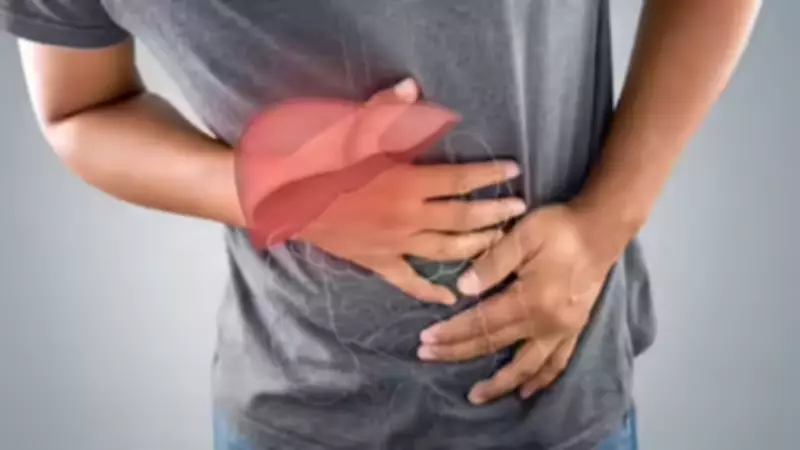
Doctors cite both clinical experience and global evidence to support their warnings. A notable case published in BMJ Case Reports linked excessive energy drink intake to acute hepatitis, attributed to high doses of niacin (Vitamin B3), which is known to be hepatotoxic in excess. Experts explain that the mix of sugar, caffeine, and various additives in these beverages promotes fat build-up in liver cells, oxidative stress, and inflammation. This combination significantly raises the risk of long-term damage, including non-alcoholic fatty liver disease (NAFLD).
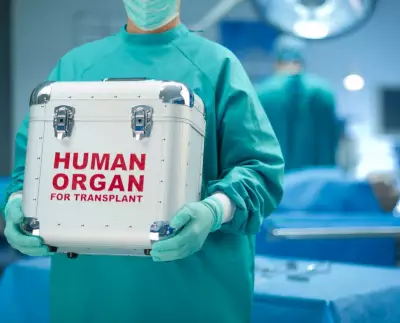
"Over the past few years, we have seen a substantial increase in young patients presenting with liver dysfunction. Energy drinks, alcohol, and high-sugar beverages are the primary contributors," stated Dr. Abhideep Chaudhary, President of the Liver Transplantation Society of India (LTSI). "Often perceived as harmless, these drinks place immense metabolic stress on the liver. When combined with alcohol or consumed in excess, they can accelerate injury. If the damage progresses unchecked, a liver transplant may become the only life-saving option."

Rising NAFLD Rates and Demographic Shifts
India is currently witnessing a troubling rise in NAFLD, affecting an estimated 25–30% of the urban population, including a growing number of young adults. High intake of sugary beverages is identified as a key driver, and medical professionals assert that energy drinks are exacerbating this alarming trend.
"We are observing a clear demographic shift, with patients in their 20s and 30s presenting with liver issues much earlier than before," noted Dr. Neerav Goyal, President-Elect of LTSI and Head of Liver Transplant, Hepatobiliary and Pancreatic Surgery at Indraprastha Apollo Hospital in New Delhi. "While alcohol remains a major factor, the consumption of energy drinks and other sugary beverages is adding substantially to the liver disease burden."
Dangers of Mixing with Alcohol and Lifestyle Impacts
Experts also issue strong warnings against the practice of mixing energy drinks with alcohol. They highlight that caffeine can mask the sedative effects of alcohol, potentially leading to higher alcohol intake and increased hepatotoxicity.
"Lifestyle choices are directly impacting liver health at a younger age," emphasized Dr. Charles Panackel, Secretary of LTSI and Senior Consultant in Hepatology at Aster Medcity in Kochi. "Continuous exposure to these harmful substances can lead from simple fatty liver to inflammation, fibrosis, and even cirrhosis. It is crucial to recognize that early-stage liver disease is often reversible with timely intervention."
"Frequent intake of energy drinks represents an under-recognized risk factor for liver damage," added Dr. Naveen Ganjoo, a member of the Governing Council for Adult Hepatology at LTSI and Senior Consultant in Hepatology & Integrated Liver Care at Aster RV Hospital in Bengaluru.
Call for Awareness and Preventive Measures
In response to this growing crisis, liver specialists have called for stronger public awareness campaigns and urgent lifestyle modifications. They stress that cutting back on energy drinks, alcohol, and sugary beverages is paramount for prevention. Promoting healthier alternatives and educating the youth about the hidden dangers of these popular beverages could help curb the rising tide of liver-related ailments.