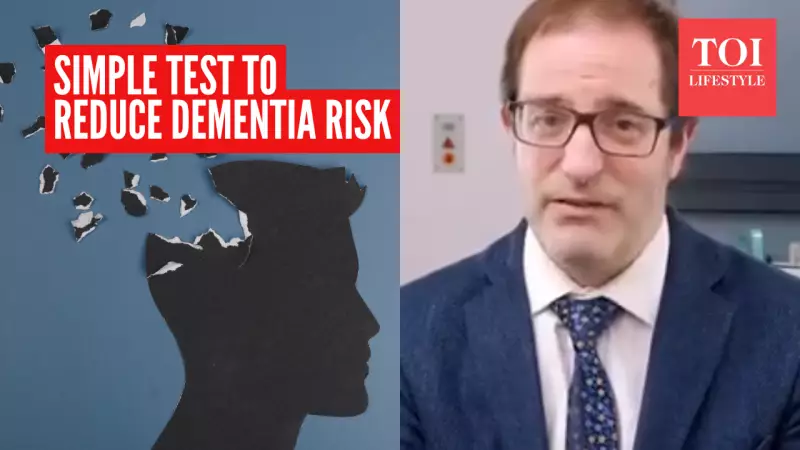
Could a simple, regular health check-up hold the key to preventing one of the world's leading causes of disability and death among the elderly? A prominent brain health expert from Britain is making a compelling case that managing a common condition from middle age could be a powerful shield against dementia.
The Silent Threat: High Blood Pressure and Brain Damage
According to the World Health Organization (WHO), dementia ranks as the seventh leading cause of death globally and is a primary source of disability for older adults. In a significant claim, Professor Adam Greenstein, a leading brain health expert and professor of medicine at the University of Manchester, identifies a critical, modifiable factor behind this crisis: high blood pressure, or hypertension.
Professor Greenstein, whose research focuses on hypertension's damaging effects on the brain, told the Daily Mail that it is the "single biggest modifiable factor causing memory loss in Britain." He advocates that everyone from middle age onward should undergo regular blood pressure checks and, if needed, be treated with medication.

The Science Behind the Pressure-Dementia Link
This view is supported by major health bodies. The American Heart Association notes that the established relationship between hypertension and dementia has made controlling blood pressure a target for delaying cognitive decline. Research shows hypertension significantly contributes to the two most common dementia types: Alzheimer's disease and vascular dementia.
The mechanism is clear: persistently high blood pressure damages the delicate, tiny blood vessels within the brain. This damage triggers a cascade of harmful effects that can injure brain tissue over time, leading to memory loss and cognitive deterioration.
Overcoming Reluctance and Ignorance
Despite the evidence, a significant hurdle remains. Professor Greenstein, who works with clinics across North-West England, observes that many patients are reluctant to take prescribed blood pressure medication. "People don't like it because they don't experience any symptoms from hypertension, but they can get side-effects from the tablets," he explains, listing potential issues like dizziness, headaches, rashes, and coughs.
He also points to a "tragic waste of crucial time" due to ignorance among some medical professionals about the severe threat hypertension poses to brain health. His call to action is straightforward: all middle-aged and older individuals should have their blood pressure monitored regularly. If it is elevated, they should be prescribed medication by their General Practitioner (GP) to control it effectively.
This proactive approach transforms a routine check-up into a potential lifesaver for cognitive function. By treating hypertension aggressively, we may not just protect hearts but also preserve millions of minds from the devastating progression of dementia.