Children Face Unique Road Safety Risks Due to Physiological Differences
One of the least understood aspects of child road safety is that children are physiologically different from adults. Their smaller size, developing bones, and different center of gravity make them more vulnerable to severe injuries in road accidents. According to the World Health Organization, road traffic injuries are a leading cause of death for children globally, yet safety measures often fail to account for these differences.
Impact of Size and Development on Injury Patterns
Children's heads are proportionally larger and heavier relative to their body size, making them more prone to head injuries. Their bones are more flexible but also more susceptible to certain types of fractures. Additionally, children have a higher center of gravity, which affects their balance and increases the likelihood of falls. These factors mean that standard seat belts and airbags, designed for adults, may not provide adequate protection for children.
Need for Tailored Safety Interventions
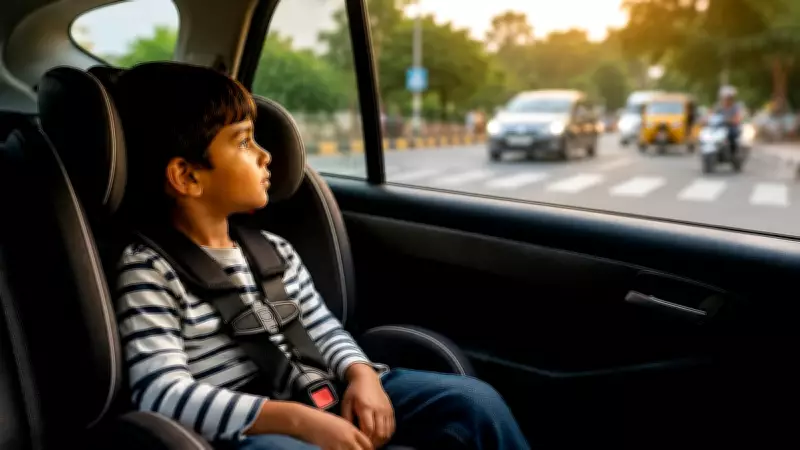
Experts emphasize the need for age-appropriate safety measures, such as booster seats, proper helmet use for cyclists, and pedestrian-friendly infrastructure. "We must design roads and vehicles with children in mind," said Dr. Anika Sharma, a pediatric trauma specialist. "Simple changes like lower speed limits in school zones and better crosswalk visibility can save lives."

Global Statistics and Call to Action
According to the World Health Organization, road traffic crashes kill approximately 186,300 children under 18 years each year. In India, children account for a significant proportion of road fatalities. The government has introduced stricter vehicle safety standards, but implementation remains uneven. Community awareness campaigns and school-based education are also critical to changing behavior.
Conclusion: Bridging the Gap
Addressing the road safety gap in child health requires a multi-sectoral approach involving policymakers, engineers, healthcare providers, and families. By recognizing the unique physiological vulnerabilities of children, we can create safer environments that reduce preventable deaths and injuries.