

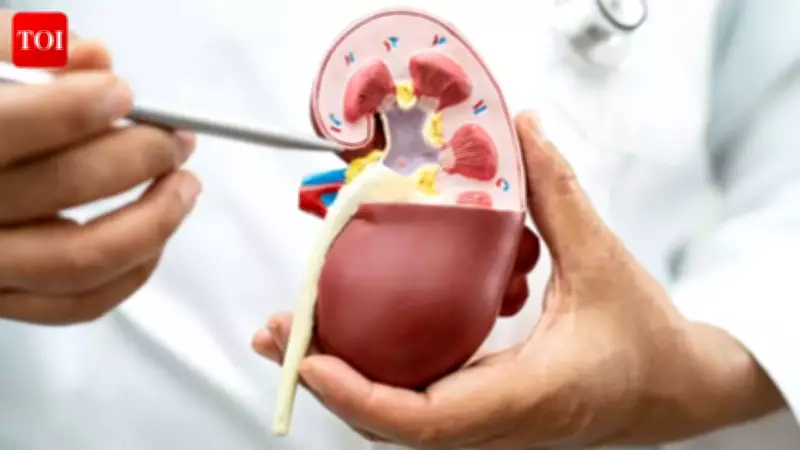
For millions of people suffering from chronic kidney disease (CKD), diagnosis brings a harsh reality: you can feel fine for years while your kidneys quietly fail, increasing risks of heart disease, hospital stays, and early death. Treatments have improved, but for many, especially those without diabetes, options have been limited. That is finally starting to change.
A Wave of New Studies Offers Hope
Recent research has given CKD patients worldwide genuine reason for optimism. Scientists have discovered that finerenone, a drug already used for kidney disease linked to type 2 diabetes, benefits far more people than previously thought. It slows kidney decline, lowers the risk of kidney failure, reduces heart issues, and extends lives for those battling CKD without diabetes. With nearly 800 million people affected globally, this breakthrough could reshape public health.
Chronic Kidney Disease: A Silent Epidemic
CKD is one of the fastest-growing medical problems worldwide. When kidneys lose their ability to filter waste, patients face risks ranging from heart attacks to dialysis. Traditional care focuses on controlling blood pressure, diabetes, and protein in urine, but even the best treatments often cannot stop progression. The search has been on for therapies that target CKD at its root.

Finerenone: How It Works
Finerenone is a non-steroidal medicine that blocks overactive mineralocorticoid receptors, key drivers of inflammation and scarring in kidneys and heart. Doctors already used it for diabetic kidney disease, but the big question was whether it could work for others. New studies provide a clear answer: yes.
FIND-CKD Trial: Major Breakthrough
The FIND-CKD trial, led by clinical pharmacologist Hiddo Lambers Heerspink at the University Medical Center Groningen, involved over 1,500 patients across 24 countries. Adding finerenone to standard care significantly slowed kidney decline compared to standard treatment alone. The drug reduced the risk of kidney failure, disease progression, heart failure, or death from heart trouble by 23%. Heerspink stated: "In the finerenone group, 13.9 percent experienced such a complication, compared to 16.9 percent in the placebo group. That amounts to a reduction in risk of approximately 23 percent." These results mean more patients can avoid dialysis and transplants. The findings were published in the New England Journal of Medicine and presented at the 2026 European Renal Association Congress.
Hope for Tough Kidney Diseases
One research arm focused on glomerular diseases, rare disorders damaging kidney filters, often affecting younger people. Finerenone reduced the risk of failure or worsening disease by 26% and cut urine protein levels by 42% within a year. Heerspink noted: "The presence of protein in the urine is often an important and early sign of kidney damage. In the finerenone group, it decreased by an average of over 41 percent, compared to about 9 percent in the placebo group. More than half of the patients who received finerenone achieved a reduction of at least 30 percent in the amount of protein in their urine. Such a reduction is an important indicator of a more favorable renal prognosis."
INFINITY Study: Benefits for All
The INFINITY study pooled data from three major trials with over 14,000 patients, both diabetic and non-diabetic. Across all CKD types, finerenone reduced kidney failure or progression by 24%, cut hospitalization and death from heart problems by 20%, and lowered all-cause mortality risk by 12%. Most patients benefited regardless of the cause of kidney trouble. Heerspink added: "Now it turns out the drug is also effective in people without diabetes, even though more than half of all CKD patients worldwide are non-diabetic. Chronic kidney disease now affects an estimated 800 million adults worldwide."

Why Finerenone Matters
CKD is not just a diabetes issue; most patients do not have diabetes. Until now, they had few proven treatments. If more countries approve finerenone for all CKD types, millions could benefit. This research signals a shift in medicine, focusing less on the original cause of CKD and more on common processes driving progression. Heerspink concluded: "Finerenone could become an important new treatment option for people with chronic kidney disease who do not have diabetes. The drug offers a clear delay in the decline of kidney function on top of current standard care. The results provide physicians with new therapeutic options to help preserve kidney function and reduce the number of cardiovascular and renal complications. And this applies to a broad, underserved patient population with non-diabetic CKD, for whom there are few treatment options in the guidelines."
Side Effects and Monitoring
No drug is perfect. Some patients on finerenone experienced higher potassium levels (hyperkalemia), so doctors must monitor closely, especially for those at risk. Overall, the drug was well tolerated, consistent with its safety record.
Why It Matters
Finerenone is not a cure for CKD, but with nearly 800 million people affected and millions of deaths annually, even small advances have huge ripple effects. This progress may be bigger than expected. For patients living under the shadow of kidney failure, this is real hope—and medicine does not hand that out every day.





