As summer temperatures soar across Hyderabad, hospitals are witnessing a surge in gastroenteritis and other viral or bacterial infections, with doctors warning of a further rise in cases in the coming weeks.
Government Hospitals See Steady Inflow
Government hospitals are experiencing a steady increase in patient inflow. At the Fever Hospital in Nallakuntla, around 15 to 20 gastroenteritis cases are landing daily, while Niloufer Hospital is seeing nearly 25 to 30 cases each day, a majority of them children. Urban Primary Health Centres (UPHCs) and Community Health Centres (CHCs) across Hyderabad are also recording higher-than-usual footfall, indicating a widespread seasonal trend.
Private Hospitals Report 20-30% Increase
Private hospitals and diagnostic centres have reported a 20% to 30% increase in cases of acute diarrhoeal diseases, food poisoning, and acidity. Doctors note that gastroenteritis now constitutes a considerable proportion of daily outpatient visits.

Dr L Swapna, senior paediatrician at Niloufer Hospital, said: "Of the total cases we receive each day, around 25% to 30% are of gastroenteritis. While acute diarrhoea is prevalent throughout the year, cases have increased since the end of February." She added that patients are showing symptoms such as diarrhoea, vomiting, fever, dehydration, abdominal cramps, headaches, and general weakness. In severe cases, particularly among children and the elderly, hospitalisation and even ICU admissions are required.
Grassroots Impact
Doctors are also witnessing the impact at the grassroots level. M Uma, senior nurse at the Fever Hospital, said: "We are seeing more patients coming in with stomach pain, nausea, vomiting, and fatigue, especially during the peak heat hours. Many cases are linked to dehydration and consumption of contaminated food or water."
Causes of the Surge
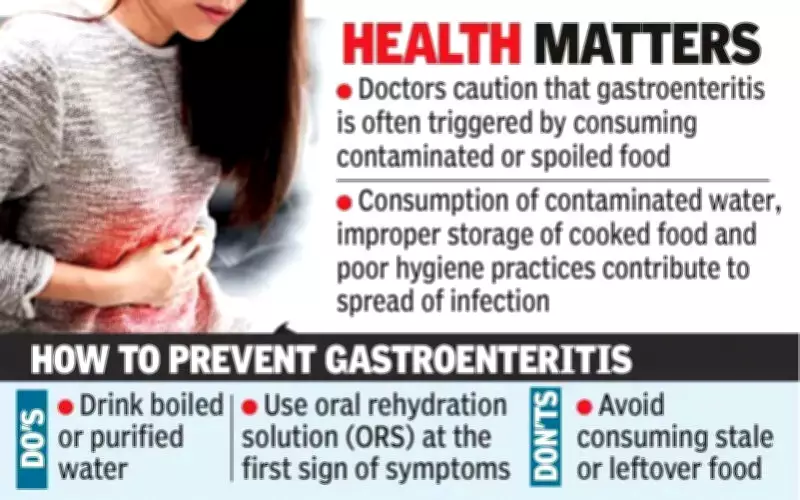
Doctors attributed the surge primarily to foodborne infections, as high temperatures accelerate the growth of bacteria and other pathogens, leading to rapid food spoilage. Consumption of contaminated water, improper storage of cooked food, and poor hygiene practices are further contributing to the spread of infection.
Dr Dasari Anusha, general medicine at AIG Hospitals, cautioned: "Gastroenteritis is often triggered by consuming contaminated or spoiled food. It causes infection and inflammation of the stomach and intestines and can rapidly lead to dehydration if not treated in time. Vulnerable groups, including children, the elderly, and those with weakened immunity, face a higher risk of severe complications."
Preventive Measures
Health officials have issued advisories urging citizens to take preventive measures and seek early medical intervention. Recommendations include drinking boiled or purified water, avoiding street food, washing hands frequently, and storing food properly to prevent spoilage.