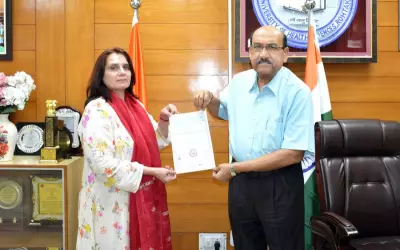
Amid rising diet fads that portray gluten as harmful, medical experts in Ludhiana are cautioning against the indiscriminate adoption of gluten-free diets. Dr Amit Bansal, Senior Consultant in Gastroenterology, underlined that gluten-free diets are necessary only for those with specific medical conditions, while for most, wheat remains both safe and essential.
Why is wheat important in Indian diets?
Wheat is a staple food for the nation, rich in complex carbohydrates, dietary fibre and B vitamins. It also provides gluten, a protein that gives dough elasticity and helps maintain the structure of foods like roti and bread. Whole wheat supports gut health and overall metabolic function.
What is gluten and why is it misunderstood?
Gluten is a natural protein found in wheat. In recent years, it has been wrongly labelled as harmful. However, medical evidence shows gluten is safe for most people.

What happens if gluten is removed unnecessarily?
Avoiding gluten without medical need can reduce fibre and essential nutrients, which may negatively affect digestive health and overall nutrition.
What do experts say about gluten-free diets?
Gluten is often perceived as unhealthy due to popular diet trends, but for most individuals, it is completely safe and an integral part of a balanced diet. Eliminating gluten without medical advice can lead to deficiencies and may adversely affect gut health.
When is a gluten-free diet medically necessary?
A gluten-free diet is necessary in the following cases: Celiac disease – an autoimmune disorder where gluten damages the small intestine, leading to malabsorption and systemic complications. Patients must follow a strict, lifelong gluten-free diet. Non-celiac gluten sensitivity – causes bloating and abdominal discomfort after gluten intake, although without intestinal damage. Dietary changes are recommended after clinical evaluation.
Are gluten-free products healthier than regular foods?
Not necessarily. Many gluten-free packaged foods are made with refined flours and starches, which may lack fibre and essential nutrients. Whole wheat provides natural fibre and B vitamins that support digestive and metabolic health.
What should individuals do before switching diets?
Dr Bansal advises consulting a qualified doctor or nutritionist before switching. Self-diagnosis and unnecessary elimination can lead to nutritional imbalances.