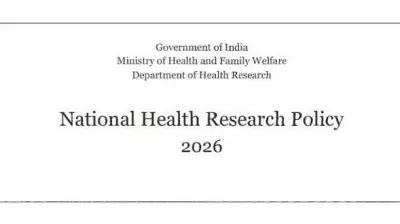
In a significant move to streamline pharmaceutical research and foster innovation, the Indian government has officially notified amendments to existing regulations that permit the waiver of test licensing requirements during drug research and development phases. This strategic decision is designed to substantially reduce the regulatory burden on pharmaceutical companies and academic institutions engaged in cutting-edge medical research.
Aligning with Prime Minister's Vision for Regulatory Simplification
The Ministry of Health and Family Welfare has clarified that this regulatory amendment directly aligns with the directions issued by Prime Minister Narendra Modi, who has consistently emphasized the need to minimize bureaucratic hurdles and promote a more conducive environment for business operations across all sectors. By eliminating the mandatory test licensing step in the early stages of drug development, researchers can now accelerate their experimental processes without being delayed by procedural formalities.
Expected Impact on Pharmaceutical Sector and Research Community
Industry experts anticipate that this policy shift will have multiple positive outcomes:

- Faster Innovation Cycles: Pharmaceutical companies can now move more swiftly from conceptual research to clinical trials, potentially shortening the time required to bring new medicines to market.
- Reduced Compliance Costs: The elimination of test licensing requirements will decrease administrative expenses for research organizations, allowing them to allocate more resources toward actual scientific investigation.
- Enhanced Global Competitiveness: By simplifying regulatory procedures, India's pharmaceutical sector becomes more attractive for both domestic and international research investments.
- Support for Academic Research: Universities and public research institutions will benefit from reduced paperwork, enabling scientists to focus more on experimental work and less on regulatory compliance.
The notification represents a concrete step toward implementing the government's broader ease of doing business agenda within the healthcare and pharmaceutical domains. While maintaining essential safety and quality standards for final drug approvals, this reform specifically targets the preliminary research phase where excessive regulation has historically slowed innovation.
Broader Context of Regulatory Reforms in Healthcare
This development follows a series of regulatory adjustments aimed at modernizing India's pharmaceutical oversight framework. The government has been systematically reviewing various compliance requirements that may unnecessarily hinder scientific progress while ensuring that patient safety remains paramount. The test licensing waiver for R&D activities reflects a balanced approach that encourages innovation without compromising on the rigorous evaluation processes required for drug commercialization.
As the pharmaceutical industry continues to be a crucial component of India's economy and global health contributions, such regulatory simplifications are expected to strengthen the country's position as a leading hub for drug discovery and development. The ministry's announcement underscores the administration's commitment to creating an ecosystem where scientific creativity can flourish with minimal bureaucratic interference.