

Cardiac Drug Sales in Gujarat Show Strong Growth, Outpacing Other Therapy Segments
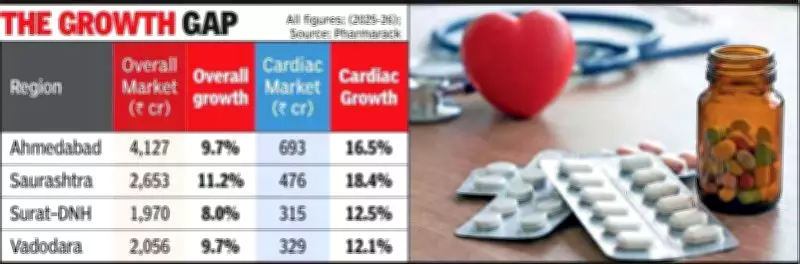
In Gujarat, the pharmaceutical market is witnessing a significant shift, with cardiac drugs emerging as the fastest-growing segment. According to the latest Moving Annual Total (MAT) data for January 2026 compiled by Pharmarack, cardiovascular drug sales have surged by 12-17% across key regions including Ahmedabad, Saurashtra, Vadodara, Surat, and Dadra Nagar Haveli. This growth translates to sales ranging between Rs 315 crore and Rs 693 crore in these areas.
Cardiac Drugs Outperform Other Therapies
The sales of cardiac therapy drugs in these key regions have surpassed most other therapeutic categories. Notably, anti-diabetic drugs, which grew by 11%, were outpaced by cardiac medications. This is particularly significant given Gujarat's reputation as the diabetes capital of India. Other segments showed more modest growth: anti-infectives increased by 3-7%, vitamin and mineral supplements by 5-10%, and gastrointestinal therapy by 3-5% during the same period.
Across the entire state of Gujarat, cardiac drugs recorded a robust 13% growth. In contrast, the overall pharmaceutical market in Gujarat expanded at a slower rate of 8%. This trend is not isolated; it has been consistent over the past two years, with cardiovascular drug sales consistently achieving double-digit growth rates of 10-18% in these key markets.

Regional Variations and Absolute Sales
The growth in cardiac drug sales cuts across various regions, though with some variations. Ahmedabad leads in absolute terms, accounting for the largest volume of cardiac drug sales. Saurashtra has emerged as the fastest-growing hotspot, showing particularly strong momentum. Other regions such as Surat, Dadra & Nagar Haveli, and Vadodara also demonstrate steady double-digit growth in cardiac drug sales.
Expert Insights on Driving Factors
Sheetal Sapale, Vice-President (Commercial) at Pharmarack, attributes this sustained surge to changing lifestyles. "Sedentary routines, poor eating habits, and a lack of exercise are major drivers of this trend," she explained. Sapale further noted that cardiovascular conditions are increasingly being diagnosed in younger age groups. "Since these conditions are chronic and often lifelong, the growth in sales of these drugs becomes sustained," she added.
Sapale highlighted that while the use of medicines to treat high blood pressure typically increases with age, more young people are now being prescribed higher-end cardiac medications. "They are at the peak of professional and personal responsibility, which improves adherence and compliance," she stated.
Medical Perspectives on the Trend
Medical practitioners warn that the rising consumption of cardiac drugs serves as a proxy indicator of growing cardiovascular vulnerability in the population. Gujarat has already reported an increasing prevalence of diabetes and hypertension in recent surveys, adding to the concern.
Dr. Zeeshan Mansuri, an interventional cardiologist at Narayana Hospital, linked the growth to a significant increase in diagnoses of acute coronary syndrome, especially among younger demographics. "This trend is further supported by heightened awareness within the middle-aged and younger populations regarding routine health screenings," he said. Mansuri added that these screenings are now identifying a greater number of cardiometabolic syndromes and cardiovascular diseases before the onset of acute coronary events or cerebrovascular accidents.
Dr. Jay Shah, an interventional cardiologist with HCG Hospitals, provided additional context, noting that more than one-third of the medicines prescribed even by general practitioners relate to lipids and hypertension and are preventive therapies. "Apart from the growing burden of cardiac issues, regular health check-ups and incidental findings often result in non-surgical interventions," Shah explained.

Underlying Lifestyle Factors
The data underscores broader public health concerns, including sedentary routines, rising stress levels, and the resultant increase in diabetes and hypertension among young people. These factors collectively contribute to the growing demand for cardiac medications, reflecting a shift in health patterns that requires ongoing attention from both medical professionals and policymakers.





