

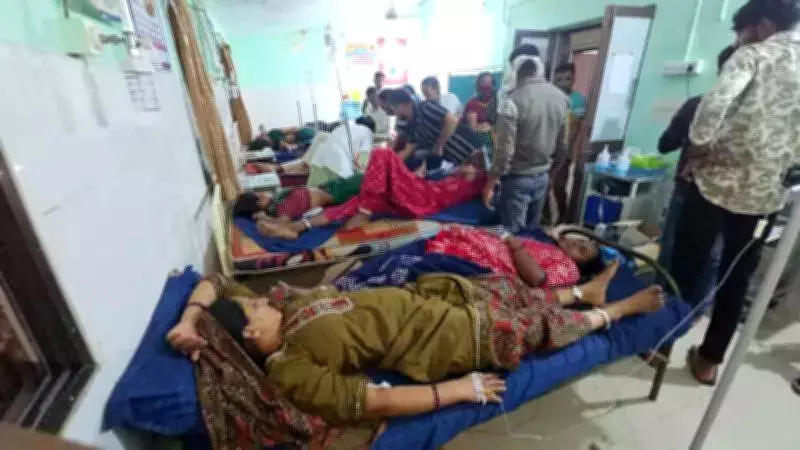
Mass Food Poisoning Outbreak Strikes Gujarat Wedding Feast
In a distressing health emergency, at least 238 individuals have been afflicted by severe food poisoning following a wedding celebration in Abhlod village, located within the Garbada taluka of Dahod district in Gujarat. The incident occurred late on Monday night, casting a shadow over what should have been a joyous occasion.
Critical Condition and Widespread Illness
Among those affected, five people were reported to be in serious condition and required continued hospitalization as of Tuesday evening. The majority of patients experienced acute symptoms including severe vomiting and intense abdominal pain shortly after consuming the meal served at the wedding function.
The event was hosted at the residence of Bharat Rathod, where dinner was served between 6 PM and 11 PM. Villagers began reporting symptoms of illness almost immediately after the feast concluded. Official estimates indicate that approximately 1,100 attendees partook in the meal, highlighting the scale of the potential exposure.

Suspected Contamination Sources
According to sources familiar with the event, the wedding menu featured several items that are now under scrutiny by health authorities. These included:
- Paneer curry
- A coconut-based sweet dish
- Mango juice
Health officials strongly suspect that one or more of these food items may have been the source of the contamination, although laboratory tests are still pending to confirm the exact cause. The investigation is ongoing to determine whether improper handling, storage, or preparation led to the outbreak.
Emergency Medical Response
As the number of ill individuals rapidly increased, a swift medical response was initiated. Patients were initially rushed to the Abhlod Primary Health Centre for urgent treatment. Dr. Uday Tilawat, the Chief District Health Officer of Dahod, provided critical details on the situation.
"While around 1,100 people had consumed the food, 238 developed symptoms. Our teams reached the village promptly and began providing medical treatment," stated Dr. Tilawat, emphasizing the rapid deployment of health resources.
The response extended beyond the primary health centre as well. Several villagers took the initiative to transport their affected relatives to private hospitals for care. Additionally, patients were transferred to Zydus Hospital and the district hospital in Dahod to manage the overflow and provide specialized attention.
Comprehensive Health Surveys and Additional Cases
To ensure no affected individual was overlooked, health department teams conducted thorough door-to-door surveys throughout Abhlod village. This proactive measure aimed to identify any additional persons showing symptoms and to guarantee timely medical intervention for all.
By Tuesday, the situation had evolved with six new cases reported, bringing the total number of affected individuals to 238. Of this total, 59 people required hospitalization at various points during the outbreak. Fortunately, by Tuesday evening, most patients had been discharged after receiving appropriate treatment, leaving only the five most serious cases under hospital care.
Separate Food Poisoning Incident in Jamnagar
In a related but separate incident, approximately 100 workers residing in a labour colony in Moti Khavdi, on the outskirts of Jamnagar, also suffered from food poisoning late on Monday night. Preliminary reports suggest that the food was prepared under inadequate lighting conditions, which may have contributed to the contamination.
The affected workers were promptly shifted to GG Hospital in Jamnagar for medical attention. This concurrent outbreak underscores broader concerns about food safety and hygiene practices in the region, prompting calls for increased vigilance and regulatory oversight.
The dual incidents have raised significant public health alarms, with authorities urging communities to adhere strictly to food safety protocols, especially during large gatherings. Investigations continue as officials work to pinpoint the exact sources of contamination and prevent future occurrences.






