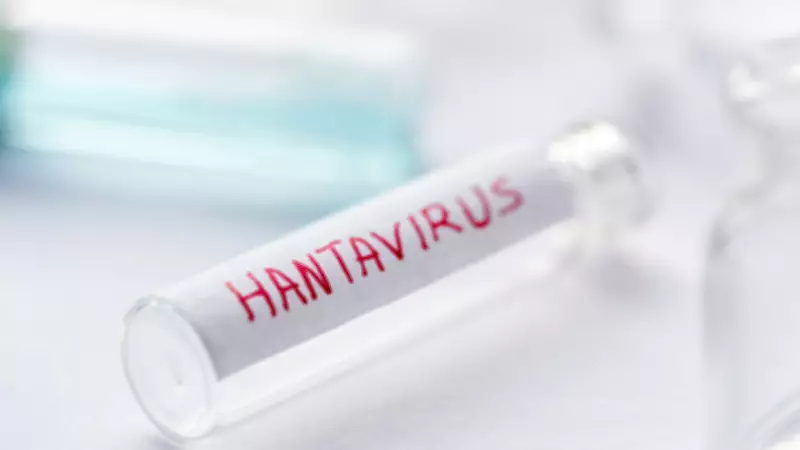
Hantavirus infection often begins with symptoms that appear ordinary—fever, body aches, nausea, and fatigue—leading many to mistake it for seasonal flu. However, doctors caution that this rare viral disease, transmitted through rodents, can rapidly escalate into life-threatening organ failure, particularly affecting the kidneys and lungs.
Why Hantavirus Is Dangerous
According to the US Centers for Disease Control and Prevention (CDC), hantaviruses spread through contact with infected rodent urine, droppings, or saliva. Inhalation of contaminated dust in closed spaces like storerooms or sheds is a common route. Once inside the body, the virus can trigger severe complications by attacking multiple organs silently.
Kidney Damage: A Primary Concern
The kidneys act as the body's filtration system, but hantavirus can disrupt their function rapidly. Dr. Kunal Raj Gandhi, Director of Nephrology at ShardaCare-Healthcity, explains that the virus can cause diminished urine output, swelling, electrolyte imbalance, and temporary kidney failure requiring dialysis. The virus inflames tiny blood vessels, causing fluid leakage and impairing kidney filtration. Symptoms may include reduced urine output, leg or face swelling, dangerous electrolyte imbalances, toxin buildup, and acute kidney injury.

Lung Complications: Hantavirus Pulmonary Syndrome
Hantavirus Pulmonary Syndrome (HPS) is a severe condition where fluid leaks into the lungs, causing breathing difficulty. The CDC notes that HPS can progress rapidly, necessitating intensive care, oxygen therapy, or ventilators. Early symptoms like fever and fatigue can suddenly give way to chest tightness and shortness of breath.
Systemic Impact and Multiple Organ Failure
Severe hantavirus infection does not stop at kidneys and lungs. It can cause systemic inflammatory response, stressing the heart, liver, and blood pressure regulation. The immune system itself may contribute to organ damage, requiring close monitoring.
Treatment and Prevention
Currently, no specific antiviral cure exists for hantavirus; treatment is supportive. Dr. Gandhi emphasizes maintaining hydration, oxygen support, and monitoring kidney function. Early intervention significantly improves outcomes. Prevention focuses on rodent control: ventilate closed areas before cleaning, wear gloves and masks, avoid sweeping dry droppings, use disinfectant sprays, seal food containers, and close entry points. The World Health Organization (WHO) stresses environmental hygiene to reduce exposure risk.
Medical experts consulted for this article include Dr. Kunal Raj Gandhi, who provided insights on kidney effects, early symptom recognition, and the importance of timely treatment.