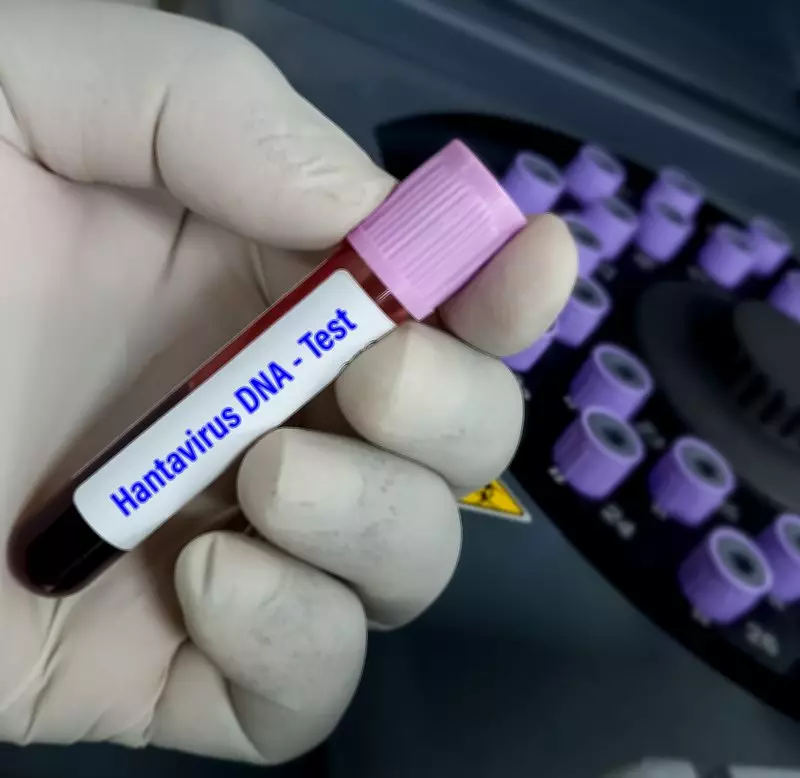
Health experts have clarified that hantavirus, a potentially fatal disease, is not like COVID-19 in terms of transmission. Unlike the coronavirus, hantavirus is not known for rapid human-to-human spread. Instead, it is primarily transmitted through contact with rodents, specifically their urine, droppings, or saliva.
Understanding Hantavirus Transmission
Hantavirus pulmonary syndrome (HPS) is a severe respiratory disease caused by hantaviruses. The virus is carried by rodents, particularly deer mice, cotton rats, and rice rats. Human infection occurs when individuals inhale aerosolized virus particles from rodent excreta, or through direct contact with contaminated materials. Person-to-person transmission is extremely rare, with only a few isolated cases reported globally.
Key Differences from COVID-19
- Transmission Route: COVID-19 spreads via respiratory droplets and aerosols from infected humans, while hantavirus requires direct or indirect contact with rodents.
- R0 Value: The basic reproduction number (R0) for COVID-19 is estimated between 2-3, indicating high transmissibility. For hantavirus, R0 is near zero for human-to-human spread.
- Pandemic Potential: COVID-19 caused a global pandemic due to its efficient human-to-human transmission. Hantavirus, lacking this capability, does not pose a similar threat.
Expert Insights
Dr. Randeep Guleria, former director of AIIMS, stated, "Hantavirus is a zoonotic disease that does not spread easily among humans. People should not panic as it is not the next COVID-19." He emphasized that awareness about rodent control and hygiene is crucial in preventing infection.

Preventive Measures
- Avoid contact with rodents and their habitats.
- Seal holes and gaps in homes to prevent rodent entry.
- Clean up rodent-infested areas using wet cleaning methods to avoid aerosolizing virus particles.
- Use gloves and masks when handling potentially contaminated materials.
While hantavirus can be severe, with a mortality rate of about 38%, it remains a rare disease. The best defense is rodent control and public education. Experts urge the public to stay informed but not alarmed, as the risk of widespread transmission is negligible.