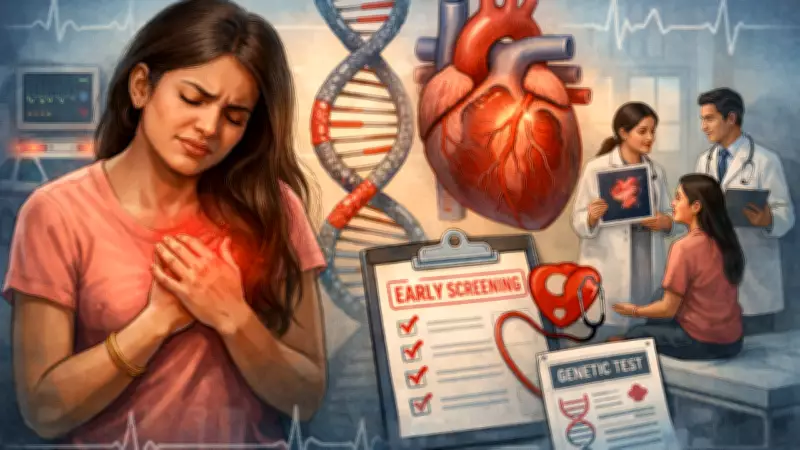
Heart Attack Risk Escalating Among Young Indian Women: A Silent Epidemic
Traditionally viewed as a health concern primarily affecting older individuals, heart attacks are now striking with alarming frequency among younger populations. Particularly vulnerable are women between the ages of 30 and 40, who face a significantly increased risk of cardiovascular issues, including myocardial infarctions.
The Overlooked Warning Signs and Delayed Diagnosis
Women, in particular, often dismiss early warning symptoms, attributing them to stress, fatigue, or routine overexertion. This tendency to overlook subtle signs frequently results in delayed diagnosis and treatment, exacerbating the potential for severe cardiac events. The rising burden of heart disease among younger demographics underscores the critical importance of early screening, heightened awareness of family medical history, and proactive preventive care measures.
A Personal Case Study: The Story of Richa Kumar
Consider the case of Richa Kumar (name changed), a 35-year-old working professional from South Mumbai and mother of two. Perceiving herself as healthy, she initially dismissed symptoms like persistent fatigue and mild chest discomfort, blaming her hectic schedule. However, in January 2026, she experienced severe chest pain and breathlessness, leading to a diagnosis of a heart attack.

Subsequent medical evaluation revealed a strong genetic predisposition to heart disease. Her father had suffered from cardiac issues in his mid-thirties, yet Richa had not pursued regular cardiac screenings or followed up on this family history. She underwent angioplasty to address 80% blockages and was discharged after four days. Now recovered, she maintains regular follow-up appointments, illustrating that timely diagnosis and intervention are vital for all individuals.
Expert Insights on the Growing Crisis
According to Dr. Bipeenchandra Bhamre, Consultant Cardiac Surgeon at Sir H.N. Reliance Foundation Hospital and Research Centre in Mumbai, many young patients, particularly women, are experiencing heart attacks at unexpectedly early ages. "We are witnessing a surge in heart attacks among young Indians, especially women aged 30-40," he stated. "Genetics plays a major role in this trend. Many individuals may lack obvious risk factors like obesity or smoking but still suffer heart attacks due to family history."
Dr. Bhamre emphasized that common symptoms—such as chest discomfort, fatigue, shortness of breath, or even jaw and back pain—are frequently ignored, especially by women with demanding schedules. Without prompt treatment, these can lead to heart failure or recurrent cardiac events. He advocates for:
- Early screening, particularly for those with a family history of heart disease
- Adopting a balanced diet and daily exercise routine
- Managing stress through practices like yoga and meditation
These preventive strategies, he asserts, can safeguard the cardiovascular health of young Indians.
Gender-Specific Challenges in Heart Health
Dr. Sonamm Tiwari, Robotic & Laparoscopic Gynecologist at Gleneagles Hospital, Parel, Mumbai, highlighted the unique challenges women face. "Women's heart health is often neglected due to personal and professional responsibilities," she explained. "Symptoms can be different and less typical in women compared to men. Hormonal changes, pregnancy-related conditions, and genetic factors significantly impact heart health."
Dr. Tiwari noted that women might experience signs such as fatigue, nausea, back pain, or jaw pain, which are frequently mistaken for less serious issues. Even classic symptoms like severe chest pain are often misattributed to acidity or heartburn. "Timely intervention can make a huge difference in preventing complications like heart failure and death," she concluded. "Women must know their family history and take proactive steps to protect their hearts."

The Imperative for Action
The consensus among medical experts is clear: understanding family history, ensuring regular cardiac screenings, and maintaining a heart-healthy lifestyle are no longer optional but essential. As heart attack risks escalate among young women, prioritizing cardiovascular health through awareness and preventive care is the urgent need of the hour to combat this growing public health challenge.