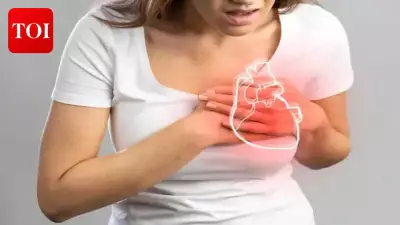
Heart Attack Symptoms in Women: The Silent Signs Often Missed
The classic image of a heart attack—a man clutching his chest in sudden, severe pain—remains deeply ingrained in public consciousness. This powerful visual, however, paints an incomplete and potentially dangerous picture. For countless women, a cardiac event does not announce itself with such dramatic flair. Instead, it arrives quietly, disguised as ordinary sensations that are all too easy to dismiss or misinterpret. This critical gap in understanding can cost precious time, and in matters of the heart, time is often the decisive factor between survival and tragedy.
Symptoms That Defy the Classic Picture
"Symptoms of heart attack among women go unrecognized because their manifestations differ significantly from what is traditionally considered classic," explains Dr. Vinit Banga, Director of Neurology at Fortis Hospital in Faridabad. "While men typically experience central chest pain that may radiate down the left arm, women are more likely to report milder, non-specific symptoms." These can include profound and unexplained fatigue, stomach discomfort or nausea, shortness of breath, dizziness, and pain in the back or jaw.
These warning signs rarely present all at once. A woman might endure unusual, persistent tiredness for several days. Another may notice she becomes breathless performing routine tasks like climbing stairs. Some experience a peculiar tightness in the jaw or a dull, nagging ache in the upper back. In isolation, none of these sensations scream "medical emergency," and that is precisely where the peril lies.

Why These Subtle Signals Are So Easily Overlooked
The hustle of daily life provides convenient masks for these real warnings. Fatigue is attributed to poor sleep. Nausea is blamed on a hurried meal. Breathlessness is written off as low stamina. The human mind naturally seeks the simplest explanation first, and in these cases, it often finds one.
A deeper, more troubling pattern also contributes. Many women, conditioned to prioritize caregiving and other responsibilities, instinctively push their own health concerns aside. This tendency to delay seeking medical attention until symptoms become severe can transform a manageable cardiac issue into a life-threatening crisis. This delay directly leads to postponed diagnosis and treatment, worsening outcomes.
The Bias Embedded in Research and Healthcare
"There is also the significant factor of historical bias in medical research," Dr. Banga points out. "Cardiovascular studies have long concentrated on male subjects. This legacy means healthcare providers can unconsciously underestimate the likelihood of heart disease in female patients, particularly younger women."
For decades, the foundation of heart disease knowledge—encompassing diagnostic criteria, symptom checklists, and public health messaging—was built primarily upon data from men. Consequently, many women do not see themselves reflected in the standard risk narrative, further delaying self-recognition of symptoms.
Government-backed research underscores this concern. The National Heart, Lung, and Blood Institute (NHLBI) notes that women frequently experience different symptoms and face a higher risk of underdiagnosis. Similarly, the Centers for Disease Control and Prevention (CDC) highlights that heart disease is a leading cause of death among women, yet awareness of its atypical presentation remains dangerously low. These are not minor gaps; they fundamentally influence how quickly help is sought and how seriously symptoms are taken by both patients and practitioners.
When the Problem Lies in the Micro-Vessels
Not all heart attacks stem from blockages in the large coronary arteries. Women are disproportionately prone to conditions like coronary microvascular disease, where the heart's tiny blood vessels malfunction.

"Diseases such as microvascular disease, which have a high prevalence among women, exacerbate the diagnostic challenge because they cannot be reliably detected with traditional testing methods like angiograms," adds Dr. Banga. Standard cardiac tests may return as "normal" even while a woman continues to suffer debilitating symptoms, leading to frustration, misdiagnosis, and delayed appropriate care.
How Awareness Directly Improves Outcomes
A single, timely question can be lifesaving: Could this be my heart? Recognizing patterns is key. Unusual fatigue that doesn't improve with rest, breathlessness without a clear cause, or discomfort that spreads to the jaw, neck, or back should never be casually brushed aside. Early medical evaluation minimizes damage to the heart muscle and significantly improves the chances of a full recovery.
Targeted public awareness campaigns have already demonstrated positive impact. Regions that have implemented women-focused heart health initiatives have recorded improvements in symptom recognition and faster times to hospital presentation. The earlier the intervention, the better the prognosis. Enhanced awareness, coupled with timely medical attention and preventive lifestyle habits, can substantially reduce risk and improve long-term outcomes.
Prevention: The Quiet Yet Powerful Ally
Preventive measures may not feel urgent, but their cumulative effect is profound. Regular physical activity, such as 30 minutes of brisk walking daily, strengthens cardiovascular health. A balanced diet low in processed foods helps manage cholesterol and blood sugar levels. Routine health check-ups are vital for catching silent risks like hypertension.
Chronic stress also plays a detrimental role, placing long-term strain on the heart. Managing stress through adequate sleep, regular exercise, or mindful practices like deep breathing can make a meaningful difference.
"Increasing public awareness about heart attacks, promoting gender-specific research, and encouraging women to seek prompt medical consultation are crucial steps for early detection and improved management," Dr. Banga emphasizes.
The Necessary Shift in Perception
Heart disease in women is neither rare nor always overtly dramatic. It demands a different kind of vigilance—one that is attuned to subtle bodily whispers rather than waiting for catastrophic shouts. As awareness gradually expands, the narrative is slowly evolving. The ultimate goal is clear: no potential heart attack symptom should ever be dismissed simply because it fails to conform to an outdated, male-centric archetype.
Medical Expert Consulted: This article incorporates expert insights provided by Dr. Vinit Banga, Director of Neurology at Fortis Hospital, Faridabad. His inputs elucidate why heart attack symptoms in women are frequently overlooked or misinterpreted and underscore the critical importance of timely medical evaluation for accurate diagnosis and optimal health outcomes.