As temperatures soar across the country, the risk of heat stroke becomes a serious concern. Heat stroke is a severe heat-related illness that occurs when the body's temperature regulation fails, leading to a rapid rise in core body temperature. It is a medical emergency that requires immediate attention. A doctor explains the warning signs and when to seek help to prevent life-threatening complications.
What is Heat Stroke?
Heat stroke is the most severe form of heat injury and is a life-threatening condition. It happens when the body's temperature rises above 104 degrees Fahrenheit (40 degrees Celsius) due to prolonged exposure to high temperatures or physical exertion in hot weather. Unlike heat exhaustion, which can be managed with rest and fluids, heat stroke requires emergency medical treatment.
Key Warning Signs of Heat Stroke
Recognizing the early signs of heat stroke can save lives. According to doctors, the following symptoms should not be ignored:

- High body temperature: A core body temperature of 104°F (40°C) or higher is the main sign of heat stroke.
- Altered mental state or behavior: Confusion, agitation, slurred speech, irritability, delirium, seizures, or coma can occur.
- Hot, red, dry, or damp skin: In heat stroke, the skin may feel hot and dry to the touch, but in cases of exertional heat stroke, the skin may be moist.
- Nausea and vomiting: Feeling sick to the stomach or vomiting is common.
- Flushed skin: The skin may turn red as body temperature increases.
- Rapid breathing: Breathing may become fast and shallow.
- Racing heart rate: The heart rate increases significantly as the body tries to cool itself.
- Headache: A throbbing headache is often present.
When to Seek Immediate Medical Help
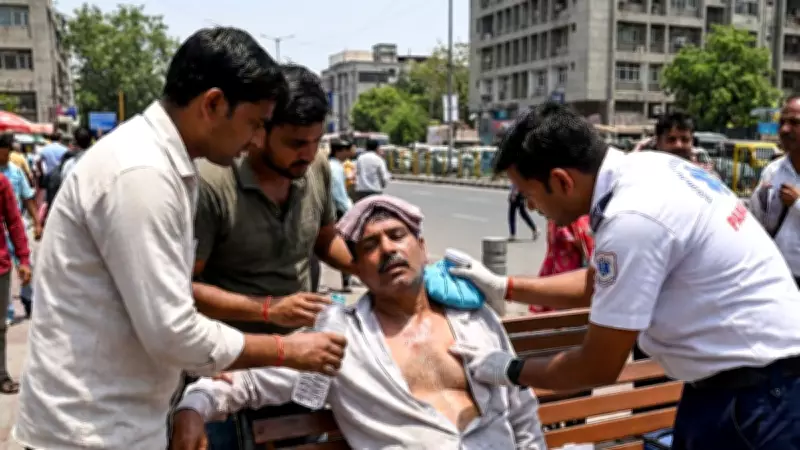
If you or someone else experiences any of these symptoms, especially a high body temperature and altered mental state, call emergency services immediately. Do not delay. While waiting for help, move the person to a cooler place, remove excess clothing, and cool the body with wet cloths or a cool bath. Do not give fluids if the person is unconscious or vomiting.
Who is at Higher Risk?
Certain groups are more vulnerable to heat stroke, including older adults, infants, young children, people with chronic medical conditions like heart disease or diabetes, those who work or exercise outdoors, and individuals taking medications that affect heat regulation. It is crucial for these groups to take extra precautions during hot weather.
Prevention Tips
Preventing heat stroke is better than treating it. Stay hydrated by drinking plenty of water, avoid strenuous activity during peak heat hours, wear lightweight and light-colored clothing, use sunscreen, and never leave anyone in a parked car. Acclimatize gradually to hot weather if you are not used to it. By being aware of the warning signs and taking proactive measures, you can protect yourself and your loved ones from the dangers of heat stroke.