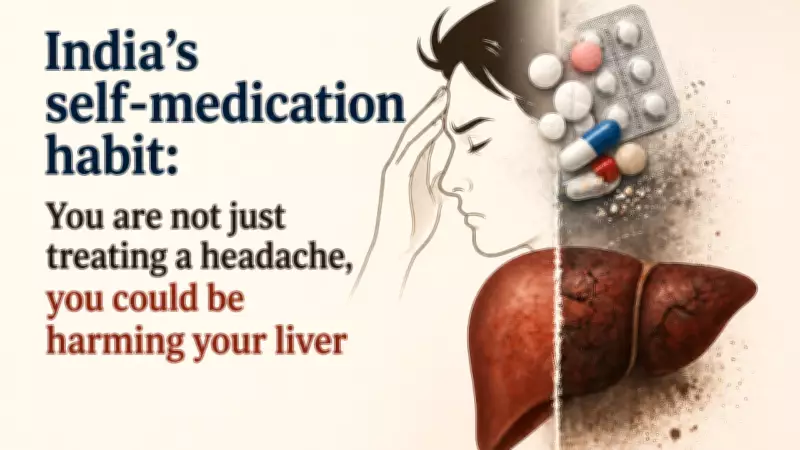
Every week, Dr. Kavya Harika Dendukuri, Lead Hepatologist at Gleneagles Hospitals Lakdikapul Hyderabad, sees patients wheeled into her liver unit with acute hepatitis or drug-induced liver failure. Most of the time, the culprit isn't alcohol. It's a painkiller bought without a prescription, an antibiotic recommended by a neighbor, or a supplement ordered online promising to detox the liver. These patients were often trying to protect their health, but they were doing it wrong. "The very organ patients were trying to protect is the one quietly dying," says Dr. Dendukuri.
India has a unique relationship with medication: buying, self-prescribing, and sharing remedies is common. A 2023 report estimated that nearly 60% of Indians self-medicate without consulting a doctor, making India the world's largest consumer of over-the-counter medications. This is creating a silent health crisis that most people don't realize they are at risk for.
The Liver Doesn't Complain Until It's Too Late
The liver is extraordinarily forgiving. It can lose up to 75% of its functional capacity before a person feels anything. You can damage it steadily for months or years without warning. This resilience has made people careless, assuming that if they haven't felt sick, they are fine. But the liver isn't invincible; it's just patient. By the time jaundice, abdominal swelling, confusion, or gum bleeding appear, the damage is often advanced and sometimes irreversible.

Dr. Dendukuri sees this pattern constantly. "Drug-induced liver injury is now among the leading causes of acute liver failure in India, second only to viral hepatitis. Yet most patients had no idea that the medications they took could harm the liver at all." A 2022 study in Hepatology Communications found that drug-induced liver injury accounts for several acute liver failure cases in India, and the number is rising.
The Drugs That Are Silently Damaging Livers
Paracetamol is the biggest culprit. Sold under dozens of brand names and available in every pharmacy, most people think it's harmless. At therapeutic doses, it is safe. But people don't read labels; they double-dose without realizing it. Taking paracetamol for a headache, then a cold medicine containing paracetamol, then something else can result in three times the safe amount. "Paracetamol is the single most common cause of drug-induced liver failure I encounter," says Dr. Dendukuri. "At toxic doses, it overwhelms the liver's detoxification capacity and can cause catastrophic failure within 72 hours."
Anti-tuberculosis drugs like isoniazid and rifampicin are life-saving but require mandatory liver monitoring. Patients sometimes stop follow-up visits, and their liver enzymes spike unnoticed. NSAIDs such as ibuprofen and diclofenac are everywhere, used for back pain, fever, or cramps. They are particularly dangerous for those with fatty liver disease or early cirrhosis. A 2021 study in the Journal of Clinical and Experimental Hepatology found that non-alcoholic fatty liver disease affects nearly 30% of the Indian population, meaning millions take NSAIDs without knowing they are at elevated risk.
The Supplement Trap
The word "natural" leads people to assume "safe." Detox supplements, weight-loss blends, and Ayurvedic formulations promise health, especially for the liver. Because they are herbal or traditional, people take them without hesitation or supervision. Dr. Dendukuri has seen young, healthy patients develop fulminant liver failure from supplements purchased online. "Certain herbal weight-loss blends and traditional formulations taken in unsupervised doses can cause severe hepatotoxicity," she says. The natural medicine industry is booming but largely unregulated, with no oversight, dosage standardization, or monitoring. Someone could take the same supplement under different brand names or a dosage ten times higher than safe, and no one would know until the liver starts failing.

Who Gets Hurt Most
Anyone can develop drug-induced liver injury, but the risk is higher in those with fatty liver disease, diabetes, older age, multiple medications, or regular alcohol consumption. Their liver reserve is already depleted, and a standard dose of a seemingly harmless drug can tip the balance. Self-medication is especially dangerous for people with chronic conditions who are most vulnerable to liver damage. An older person with diabetes taking NSAIDs for joint pain, paracetamol for a headache, and an herbal supplement might be fine for a healthy 25-year-old but catastrophic for someone with compromised liver function.
What Actually Needs to Change
Dr. Dendukuri isn't asking people to fear medication but to respect it. The liver filters over 1,400 liters of blood daily, detoxifies everything consumed, and works silently. Never assume a drug is safe just because it doesn't require a prescription. All medications, including vitamins, supplements, and herbal preparations, are processed by the liver and carry some risk. Always tell your doctor about every substance you're taking. If on long-term medication, insist on periodic liver function tests. If you notice yellowing of the eyes, dark urine, unusual fatigue, or abdominal pain, go to a hospital immediately. The next time you reach for a tablet without a prescription, pause. That small act of restraint might be the most important health decision you make.
Medical experts consulted: Dr. Kavya Harika Dendukuri, Lead Hepatologist at Gleneagles Hospitals Lakdikapul Hyderabad.