

Hyderabad Obesity Crisis Deepens: 81.3% of Screened Population Affected
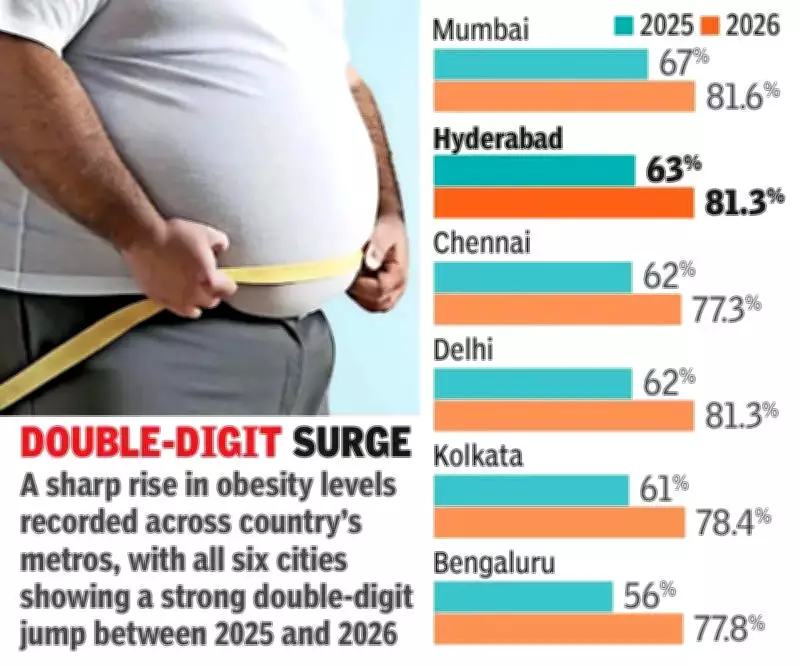
The obesity burden in Hyderabad is escalating at an alarming rate, with a staggering 81.3% of the 3.75 million people screened falling into the obese category, according to the comprehensive Health of the Nation (HoN) Report 2026 compiled by Apollo Hospitals. This represents a dramatic 18% surge from the 63% recorded just one year earlier in 2025, highlighting a rapidly worsening public health crisis.
Metropolitan Obesity Rankings and Comparative Analysis
The report positions Hyderabad as the second most obese major Indian city, trailing only slightly behind Mumbai at 81.6%. Delhi ties with Hyderabad at 81.3%, while other metropolitan centers show relatively lower but still concerning figures: Kolkata at 78.4%, Bengaluru at 77.8%, and Chennai at 77.3%. The sample size remained consistent across all six cities, ensuring comparable data quality and reliability.
Primary Contributors to the Obesity Epidemic
Medical experts identify multiple interconnected factors driving this disturbing trend:

- Sedentary lifestyles with minimal physical activity
- Stress-induced eating patterns and emotional consumption
- Excessive junk food intake high in calories and low in nutrition
- Prolonged smartphone usage disrupting sleep cycles and metabolism
Senior dietician Swetha A from Hyderabad elaborated on the smartphone connection: "Many individuals now engage in endless scrolling on their devices until they finally fall asleep. This poor sleep hygiene fundamentally disrupts the body's natural circadian rhythms and contributes directly to metabolic disorders, including weight gain and insulin resistance."
Connection to Existing Diabetes Crisis
The obesity surge compounds an already critical situation in Telangana, particularly Hyderabad, which earlier studies—including comprehensive research by the Indian Council of Medical Research (ICMR) spanning 2008 to 2020—have identified as the "diabetes capital of India." Medical professionals express grave concern that rising obesity rates will exacerbate this existing health emergency.
Dr. Madhusudhan Ch, head of the gastroenterology department at Osmania General Hospital, issued a stark warning: "Obesity has already reached epidemic proportions in our society. If current trends continue unchecked, we will see lifestyle diseases manifesting at increasingly younger ages—in people's 20s and 30s—leading to severe medical complications, mental health challenges, and an unsustainable burden on both families and our healthcare infrastructure."
Additional Medical Concerns and Complications
Beyond the primary lifestyle factors, Dr. Rajiv Paul, head of the internal medicine department at Apollo Hospitals, highlighted another worrying contributor: misuse of steroid medications. He explained, "Some patients receive steroid prescriptions without adequate medical evaluation and continue using them for extended periods, sometimes years. This practice frequently results in rapid weight gain, development of diabetes, and significant bone density loss."
Childhood Obesity: An Emerging Crisis
Experts also raised alarms about rising childhood obesity rates, which are now leading to conditions once considered extremely rare in pediatric populations. Non-alcoholic fatty liver disease is increasingly diagnosed in children, signaling a troubling shift in disease patterns among younger demographics.
Medical authorities emphasize the urgent necessity for:
- Comprehensive dietary awareness campaigns
- Reduced consumption of processed and packaged foods
- Significantly increased physical activity across all age groups
- Systemic public health interventions targeting lifestyle modification
The Health of the Nation Report 2026 serves as a critical wake-up call for Hyderabad and other Indian cities facing similar health challenges. Without immediate, coordinated action involving healthcare providers, policymakers, and community engagement, the obesity epidemic threatens to overwhelm public health systems and diminish quality of life for millions of residents.






