

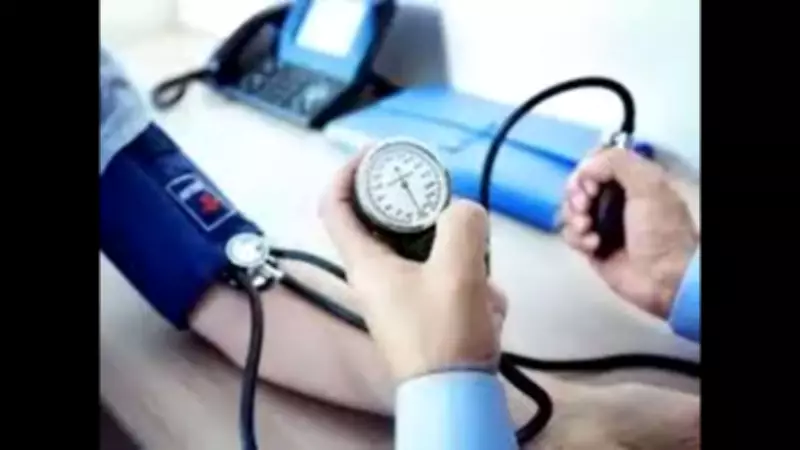
Panaji: As hypertension often produces no symptoms, many individuals neglect regular blood pressure (BP) checks, unaware of the silent damage high BP can inflict on the heart, brain, eyes, and kidneys, according to experts. A common and concerning trend is patients discontinuing their BP medication on their own.
Case Studies Highlight Dangers
One such case involved a 65-year-old man with high BP and cholesterol who stopped taking his BP tablets for a month and subsequently suffered a stroke. Dr Vinayak Bhat, consultant physician at JMJ and RG Stone Hospital, explained, 'He presented with partial paralysis of the right side of the body after developing a clot in the brain. He knew he had BP but stopped his medication due to ignorance.' Fortunately, because he sought treatment promptly, his partial paralysis was reversed.
Dr Bhat noted a common misconception: 'One of the biggest misconceptions is that BP medication causes kidney failure. We see patients reluctant to take BP medication regularly, and over time, when they develop kidney disease, they blame the medication.'

Young Patient's Struggle
In another case, a 29-year-old banker experienced frequent headaches, which he attributed to work stress, and relied on painkillers. When he consulted a doctor, his BP was found to be 220/110, and he was prescribed medication. Dr Shital Lengade, consultant nephrologist and transplant physician, recounted, 'Despite being educated, he took medication for one month and subsequently didn't follow up. Six months later, he presented with swelling in his legs, breathlessness, and loss of appetite. His creatinine was high, and his kidneys were already 75% damaged due to uncontrolled hypertension.'
After restarting medication and adopting a proper diet, his kidney function gradually improved without needing dialysis. Dr Lengade emphasized that this is not an isolated case, adding that hypertension and kidney disease are closely linked, with hypertension being the second most common cause of kidney disease or failure worldwide and in India, after diabetes.
Silent Threats
Dr Lengade stated, 'Unfortunately, both hypertension and kidney disease are silent problems and often detected late.' Kidneys can be both a target organ in hypertension and a common cause of high BP. Cardiologist Dr Antonio Rodrigues highlighted that hypertension is a major risk factor for cardiovascular disease, potentially leading to heart attacks and irreversible heart damage. 'Most people are asymptomatic while damage to organs slowly builds inside,' he said.
Dr Bhat noted that only about 40% of hypertensive patients experience symptoms such as headaches, neck pain, giddiness, lightheadedness, shortness of breath, or non-specific chest pain. 'Even if hypertension is detected, many don't follow up regularly because it produces no discomfort, and they end up with complications,' he added.
Causes and Recommendations
Dr Lengade attributed rising hypertension in young people to sedentary lifestyles, processed foods, and high-salt diets. Doctors recommend that individuals over 35, and younger people with a family history of hypertension, check their BP every six months. Those diagnosed with hypertension should also monitor kidney function regularly.






