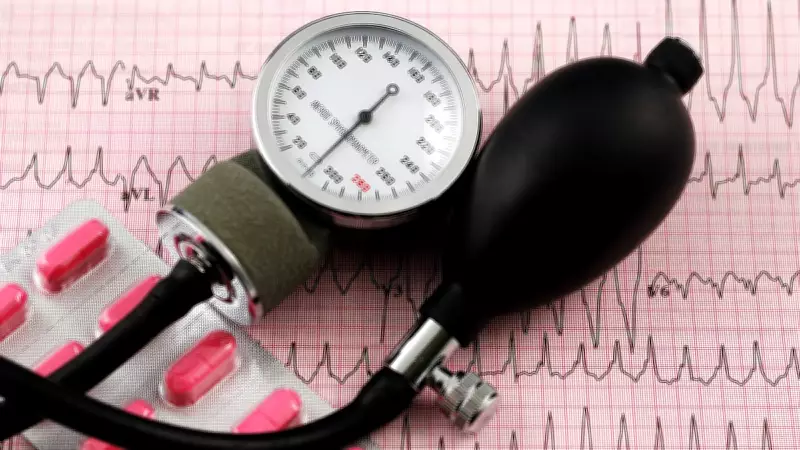
Hypertension is increasingly affecting young Indians, with experts warning that many cases go undetected until serious complications arise. According to a recent report, the condition now strikes individuals in their 20s and 30s at alarming rates, driven by sedentary lifestyles, poor diet, and genetic predisposition.
Silent Threat: Asymptomatic Nature of Hypertension
One of the biggest concerns, experts said, is that high blood pressure rarely causes symptoms until complications develop. This makes regular screening crucial, especially for young adults who may not consider themselves at risk. The World Health Organization estimates that nearly 46% of adults with hypertension are unaware of their condition.
Key Drivers of Rising Hypertension in Young Indians
Factors contributing to the surge include increased consumption of processed foods high in salt, reduced physical activity due to desk jobs and screen time, and chronic stress. Additionally, genetic factors play a role, with South Asians having a higher predisposition to hypertension and cardiovascular disease at younger ages compared to other ethnic groups.

Dr. A. Sharma, a cardiologist at a leading Delhi hospital, noted, "We are seeing patients in their late 20s with blood pressure readings of 160/100 mmHg, which was previously uncommon before age 50. Early intervention is critical to prevent heart attacks, strokes, and kidney damage."
Impact on Health and Healthcare System
Untreated hypertension can lead to severe complications, including heart failure, aneurysms, and cognitive decline. The economic burden is also significant, with increased healthcare costs for managing chronic conditions. The Indian Council of Medical Research reports that hypertension accounts for nearly 10% of all adult deaths in India.
To combat this trend, experts recommend lifestyle modifications such as reducing salt intake, regular exercise, stress management, and routine blood pressure monitoring. The government has also launched awareness campaigns, but more targeted efforts are needed for younger populations.