

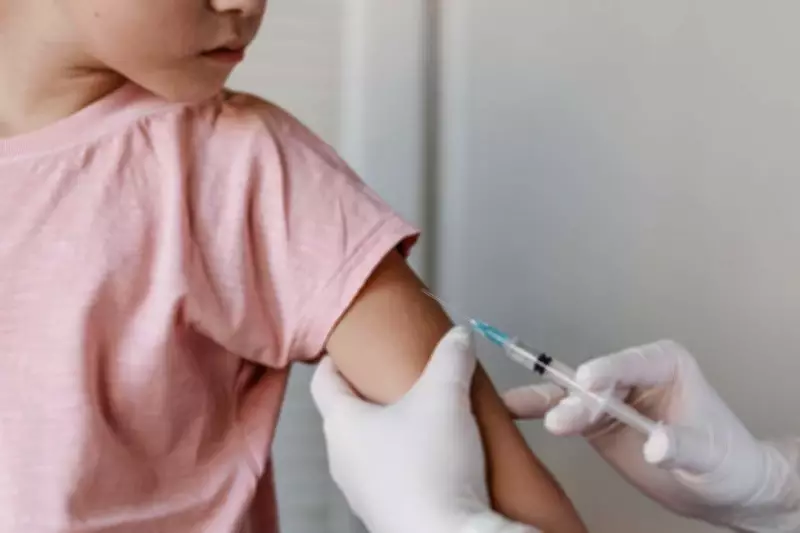
India's Updated Child Vaccination Schedule for 2026: A Comprehensive Guide
India's Ministry of Health and Family Welfare has released the official child vaccination schedule for 2026, outlining a robust immunization program designed to protect children from birth through adolescence. This updated schedule reflects ongoing efforts to combat preventable diseases and aligns with global health recommendations, ensuring that every child receives timely and effective vaccinations.
Key Vaccinations from Birth to Adolescence
The 2026 schedule mandates a series of critical vaccines administered at specific intervals. At birth, infants receive the BCG vaccine for tuberculosis and the first dose of the hepatitis B vaccine. The oral polio vaccine (OPV) is also given at birth, followed by additional doses at 6, 10, and 14 weeks as part of the routine immunization drive.
During the first six months, children are vaccinated against diphtheria, pertussis, and tetanus (DPT) through three doses at 6, 10, and 14 weeks. The pentavalent vaccine, which protects against five diseases including Haemophilus influenzae type b and hepatitis B, is administered concurrently. Rotavirus vaccine doses are provided at 6, 10, and 14 weeks to prevent severe diarrhea, a common childhood ailment.

Continued Immunization Through Early Childhood
At 9-12 months, the measles and rubella (MR) vaccine is introduced, with a second dose recommended at 16-24 months. The Japanese encephalitis (JE) vaccine is given in endemic areas at 9-12 months and again at 16-24 months. Vitamin A supplementation is also part of the schedule, starting at 9 months and continuing every six months up to 5 years to support immune function and vision.
Between 16-24 months, children receive booster doses of DPT and OPV, reinforcing earlier immunizations. The typhoid conjugate vaccine is administered at this stage, followed by a booster at 5 years. Additionally, the hepatitis A vaccine is introduced in two doses, with the second given 6-12 months after the first.
School-Age and Adolescent Vaccinations
For children aged 5-6 years, a second booster of DPT and OPV is required. The human papillomavirus (HPV) vaccine is recommended for girls aged 9-14 years in two doses to prevent cervical cancer, with the second dose administered 6 months after the first. Tetanus and diphtheria (Td) boosters are advised at 10 and 16 years to maintain immunity into adulthood.
Special Considerations and Catch-Up Vaccinations
The schedule includes provisions for catch-up vaccinations for children who miss doses, ensuring no child is left unprotected. Parents are encouraged to maintain vaccination records and consult healthcare providers for personalized advice, especially for children with medical conditions or allergies.
Importance of Adherence to the Schedule
Following the 2026 vaccination schedule is crucial for building herd immunity and reducing the incidence of vaccine-preventable diseases in India. Regular updates from health authorities help address emerging health threats, making it essential for caregivers to stay informed through official channels like the National Health Mission.
This guide serves as a reference, but individual medical guidance should always be sought from qualified healthcare professionals.






