IMD Issues Yellow Alert for 12 Kerala Districts as Heatwave Intensifies
The India Meteorological Department (IMD) has raised significant health concerns by issuing a yellow alert for hot and humid weather conditions across twelve districts in Kerala. This alert, which excludes only Idukki and Wayanad, is set to remain in effect until Saturday, according to the latest meteorological bulletin. The IMD's warning highlights a severe temperature spike, with maximum readings reaching alarming levels.
Record Temperatures and Humidity Levels
On Tuesday, isolated areas in Palakkad witnessed the mercury soaring to a scorching 40°C, marking one of the highest temperatures recorded in the state this season. Current temperatures are reported to be 3.3 degrees above the normal range, indicating a significant deviation from typical weather patterns. The Punalur weather station also registered a high of 38°C on the same day.
Multiple weather stations across Kerala recorded temperatures exceeding 33°C, including:

- Kannur airport
- Kottayam
- Cial Kochi
- Thiruvananthapuram city
- Vellanikkara
- Kozhikode
- Karipur airport
- Kannur
- Thiruvananthapuram airport
- Naval air station in Kochi
Adding to the discomfort, relative humidity in Thiruvananthapuram city touched 73%, creating high moisture levels in the air that exacerbate the feeling of heat and pose additional health risks.
Health Advisories and Precautions
In response to the rising temperatures, the IMD has issued comprehensive health advisories to mitigate the impact of the heatwave. The department strongly recommends:
- Avoiding prolonged exposure to direct sunlight, especially during peak hours.
- Wearing lightweight, light-coloured, loose-fitting cotton clothing to stay cool.
- Covering the head with a cloth, hat, or umbrella when outdoors to prevent heatstroke.
- Drinking sufficient water regularly, even if not thirsty, to prevent dehydration.
- Scheduling strenuous activities for cooler times of the day, such as early morning or late evening.
- Increasing the frequency and duration of rest breaks during outdoor work or activities.
The IMD also emphasizes special care for vulnerable groups, advising that pregnant workers and individuals with pre-existing medical conditions receive additional attention. Workers are cautioned to avoid direct sunlight between 11 am and 3 pm, keep livestock indoors during these hours, and never leave children or pets in parked vehicles, where temperatures can rise dangerously quickly.
Rivers Drying Up and Drought Concerns
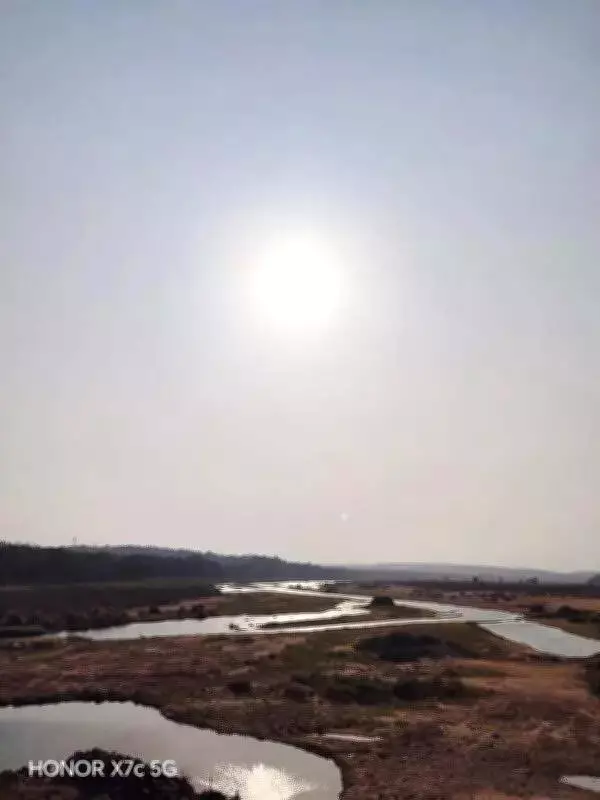
Meanwhile, rivers across Palakkad district, including the vital Bharathapuzha, are showing visible signs of drying up, raising alarms about a potential drought-like situation. Palakkad has consistently recorded the highest temperatures in Kerala this season, with the mercury recently touching 40.1°C. This intense heat is disrupting daily life and labor-intensive sectors, particularly construction, where outdoor work becomes nearly impossible during midday hours.
Chanchal Singh, a construction worker from Bihar based in Pattambi, shared his experience: "We now start work at 6 am and finish by around 2 pm. By then, the heat leaves us completely exhausted. If we don't drink enough water during work, the fatigue worsens the next day, and sometimes we're unable to return to work."
Environmental Impact and Expert Warnings
Environmental experts have flagged serious concerns over the deteriorating condition of Bharathapuzha, often described as the lifeline of Palakkad. Vinod Nambiar, General Secretary of Friends of Bharathapuzha, explained: "The groundwater level along the riverbanks is critically low. Continuous sand mining is a major contributing factor. During summer, water from wells in riverbank areas gets drawn into the river, leading to drought conditions in nearby habitations."
He added that areas like Chittur and Pattambi have already entered an ecological red zone, with even drinking water projects facing shortages due to declining river water availability. Nambiar further noted that the heat is impacting the river's ecosystem, with bird species typically found in hotter regions now increasingly appearing along the riverbanks.

Reservoir Levels and Rainfall Deficit
Water levels in major reservoirs across Palakkad have also dropped significantly compared to last year. Dams at Malampuzha, Meenkara, Walayar, Pothundi, Mangalam, and Chulliyar are all witnessing a concerning decline in storage capacity. This situation has been aggravated by a sharp fall in summer rainfall. While Palakkad typically receives an average of 53.4 mm of rainfall during March and April, only 23.2 mm has been recorded this year, contributing directly to rising temperatures and escalating water scarcity issues.
The combination of extreme heat, drying rivers, and reduced reservoir levels underscores the urgent need for both immediate health precautions and long-term environmental management strategies to address Kerala's escalating weather challenges.