

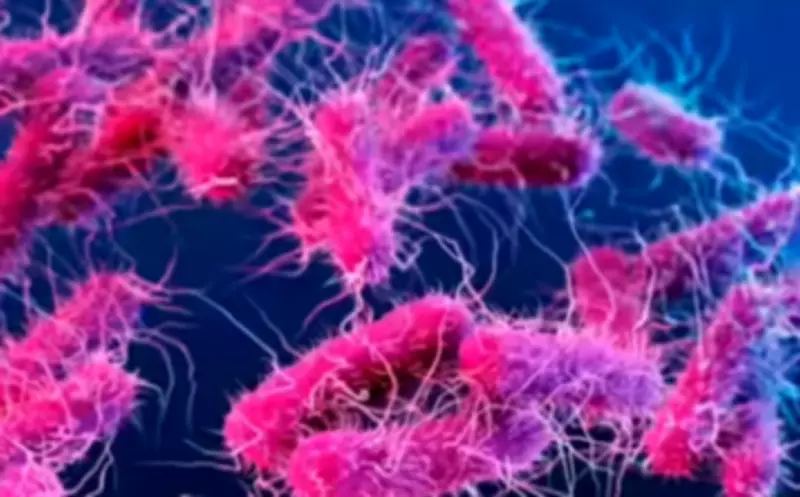
Kochi: Kerala, already battling a rise in communicable diseases, has recorded over 12 times more Shigella cases this year than in 2020, official data reveals. Exposing major gaps in sanitation and waterbody health, the state reported 155 confirmed Shigella cases and five deaths in the first 166 days of 2026, up to June 16—the highest caseload in six years. Cases accelerated sharply: only 15 cases by March 8 with no deaths, rising to 75 cases and one death by end of May, with the rest and four deaths in early June.
Comparison with Previous Years
The contrast is stark. In 2025, Kerala recorded 133 cases and no deaths. When tracking began in 2020, there were 12 cases and one death. Since then, cases have steadily increased, with the highest pre-2026 death toll in 2022 when four died.
Root Causes Identified
Health experts and sanitation officials blame chronic failure to keep waterbodies clean, citing high population density, numerous waterbodies, and systemic neglect by local bodies. Public health expert Dr. Althaf A attributed outbreaks to local bodies and the state government failing to protect water sources. He noted that the state's earlier emphasis on sanitation, strengthened by social reform, missionary, and leftist movements, has weakened. “When the Panchayat Raj Act was implemented, local bodies failed to shoulder responsibility for public health, sanitation, and waste management. They focused on civic amenities instead of public health, leading to current outbreaks,” he said. He also called for training health inspectors in food safety, as recommended by the Justice C N Ramachandran Nair Commission.

Sewage Treatment Crisis
A Suchitwa Mission official highlighted that Kerala generates 4,043 MLD of sewage but treats only 235 MLD (5.81%). “All waterbodies, including wells, are polluted with faecal waste. The central government funds 100% of faecal sludge facilities, but public opposition stalls progress,” the official said.
A government health official noted that expanded RT-PCR testing from the Covid pandemic has increased detection, but contaminated water remains the root cause. “Without addressing water contamination, outbreaks will recur. Behavioural change, boiling water, food safety, and hand hygiene are essential,” he added. State planning board officials suggested inadequate pre-monsoon sanitation drives by new local bodies may have contributed to the spike.






